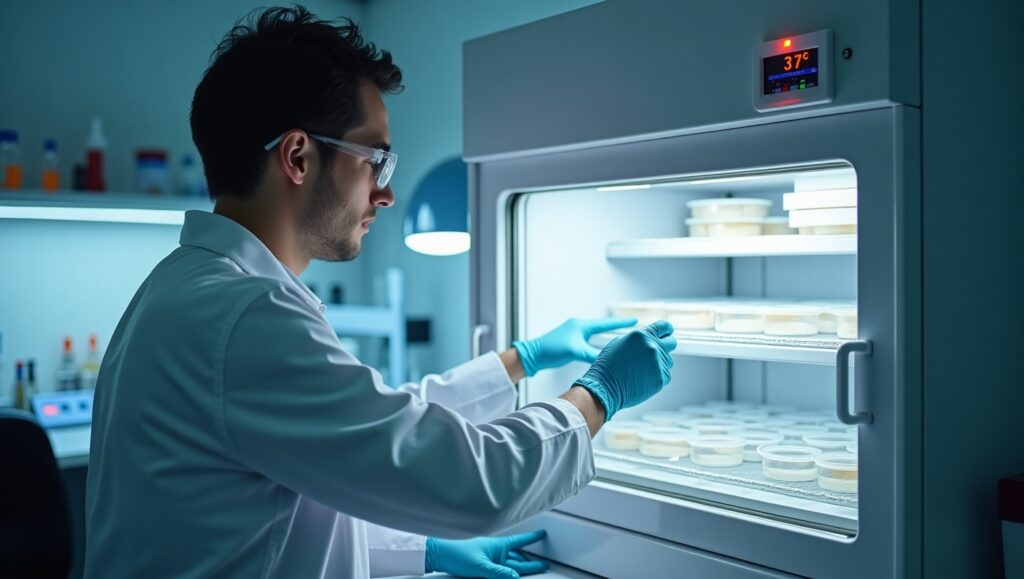
A bacteriological incubators is an essential tool in microbiology labs and medical research facilities. It is used to provide a controlled environment for the growth and study of bacteria as well as other microorganisms by maintaining a constant temperature; an optimal temperature for most bacterial species is around 37 degrees Celsius.
However, even the slightest mistake in handling the laboratory bacteriological incubator can lead to ghastly consequences. Here are the common errors that occur when handling bacteriological incubators and how to identify and avoid them effectively:
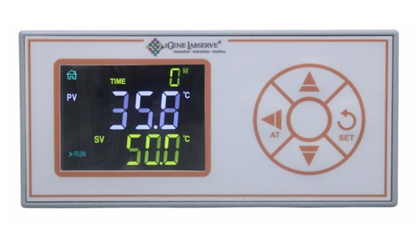
- Incorrect temperature settings
Setting the incubator temperature at too high or low may disrupt bacterial growth or even kill the culture.
Here is how to avoid this error:
- Always calibrate your incubator before use and monitor the internal temperature regularly.
- Use thermometers or data loggers placed inside the chamber to verify that the internal temperature matches the display.
- Avoid frequent door openings as it can cause temperature fluctuations.
- Overloading the incubator
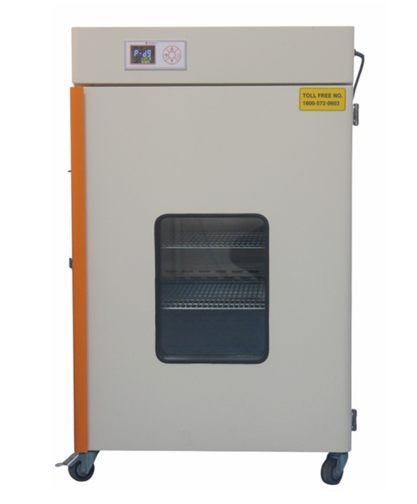
If you place multiple culture plates or test tubes inside the incubator, it may block the airflow and make temperature distribution uneven.
Here is how you can avoid this error:
- Follow the guidelines of bacteriological incubator manufacturers in India for maximum load capacity.
- Try to space the culture vessels evenly, leaving gaps between them to allow proper air circulation.
- Use adjustable shelves to distribute cultures on multiple levels if needed.
- Ignoring regular calibration and maintenance
You must never assume that the bacteriological incubator will remain accurate and functional without servicing or adequate maintenance.
Here is how to avoid this error:
- Scheduling routine maintenance checks includes inspecting the accuracy of the thermostat, cleaning the filters and vents, and examining fans for proper airflow
- Performing a calibration check annually using the desired standards helps ensure temperature accuracy
- Applying the wrong incubator conditions
The incubation needs tend to differ for different bacteria; so, using wrong settings for humidity, temperature, and atmospheric gas can halt growth and result in misidentification.
Here is how to avoid this error:
- Research and document specific conditions required for each microorganism
- Use specialized incubators if working with anaerobes, thermophiles, or psychrophiles
- Label each sample clearly with required conditions to avoid confusion
- Cross-contamination between cultures
Cross-contamination occurs when open plates in a laboratory bacteriological incubator or inadequately sealed containers are placed in the incubator together.
Here is how to avoid this error:
- You must always seal petri dishes with parafilm or use containers with tight-fitting lids.
- Try to avoid incubating multiple microbial types in the same chamber unless strictly necessary.
- Clean spills immediately and sanitize the interior after any suspected contamination.
- Poor cleaning and hygiene practices
If you do not follow routine cleaning of the equipment, it can lead to buildup of dust, mold, and bacterial residues inside the incubator.
Here is how to avoid this error:
- Wipe down interior surfaces regularly with 70% ethanol or an appropriate disinfectant.
- Remove unused or expired cultures promptly.
- Avoid placing damp materials directly on shelves, as they can encourage fungal growth
- Opening the door too often
Every time you open the door, internal conditions like temperature ad humidity undergoes disruption
Here is how to avoid this error:
- Limit door openings to essential tasks only
- Plan your work so that all needed samples are accessed at the same time
- Use incubators with glass inner doors or viewing panels to monitor cultures without disrupting conditions
- Using single incubator for multiple purposes
Using the same incubator for clinical samples, teaching, and research can lead to cross-use contamination or conflicting temperature needs.
- You can dedicate incubators to specific tasks or microbial species if possible
- Clean and disinfect thoroughly before switching uses
- Clearly label incubators with their current use and contents
Proper use and maintenance of a bacteriological incubator is critical for accurate, contamination-free microbial research and testing. If of these common errors and adopting best practices, you can ensure reliable outcomes and extend the life of your equipment. Want to accelerate your research? With trusted tools and matching performance from iGene Labserve, you have experts at every step of the way. Visit https://www.igenels.com/ to browse the collections.