iGene Labserve

admin

gel-electrophoresis

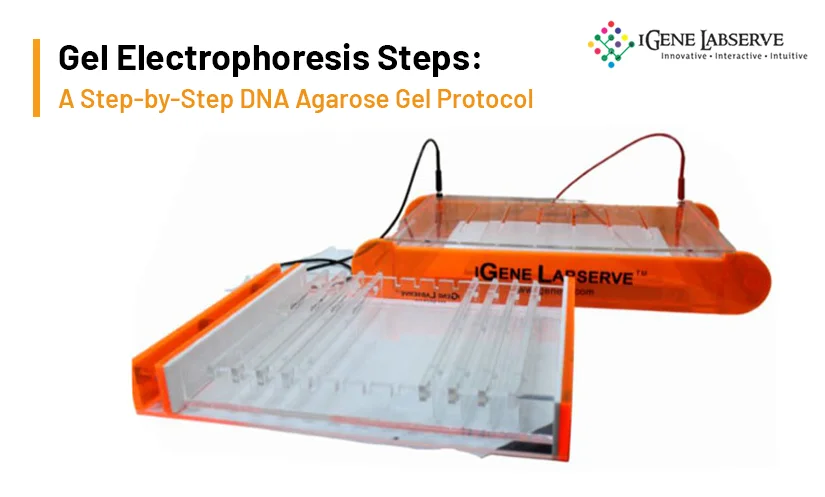
Gel Electrophoresis: DNA vs RNA vs Protein Differences Explained

Gel electrophoresis results in the separation of DNA, RNA, and proteins based on different principles. DNA and RNA separation takes place based on size by using agarose or polyacrylamide gels. On the other hand, protein separation occurs based on size and charge using SDS-PAGE or native PAGE. Each method uses specific buffers, stains, and conditions …

Gel Electrophoresis: DNA vs RNA vs Protein Differences Explained Read More »

vacuum-oven-vs-hot-air-oven

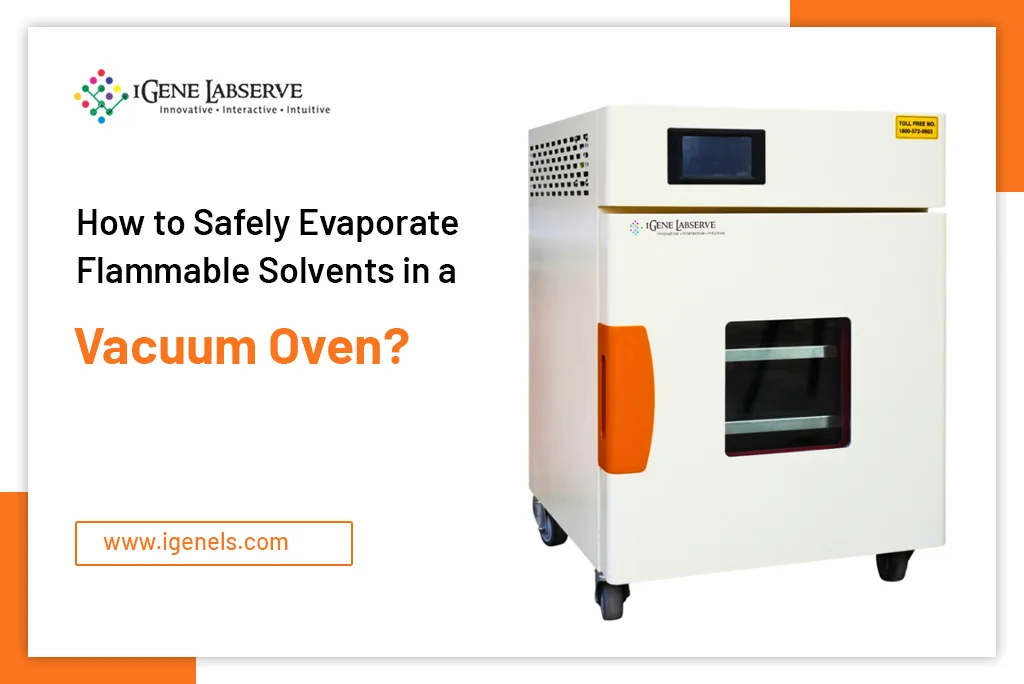
Vacuum Oven vs Hot Air Oven: Which Is Better for Heat-Sensitive Samples?

Ovens play a crucial role in research facilities, laboratories, and industrial settings for drying, curing, and heat treatment processes. However, when working with heat-sensitive samples, choosing the right equipment becomes important. Among the choices are vaccum ovens and hot air ovens. While both serve heating purposes, the operating principles and impacts on delicate samples differ …

Vacuum Oven vs Hot Air Oven: Which Is Better for Heat-Sensitive Samples? Read More »

Recirculating-Water-Bath-Chiller

What Temperature Uniformity Is Required in a Laboratory Water Bath?

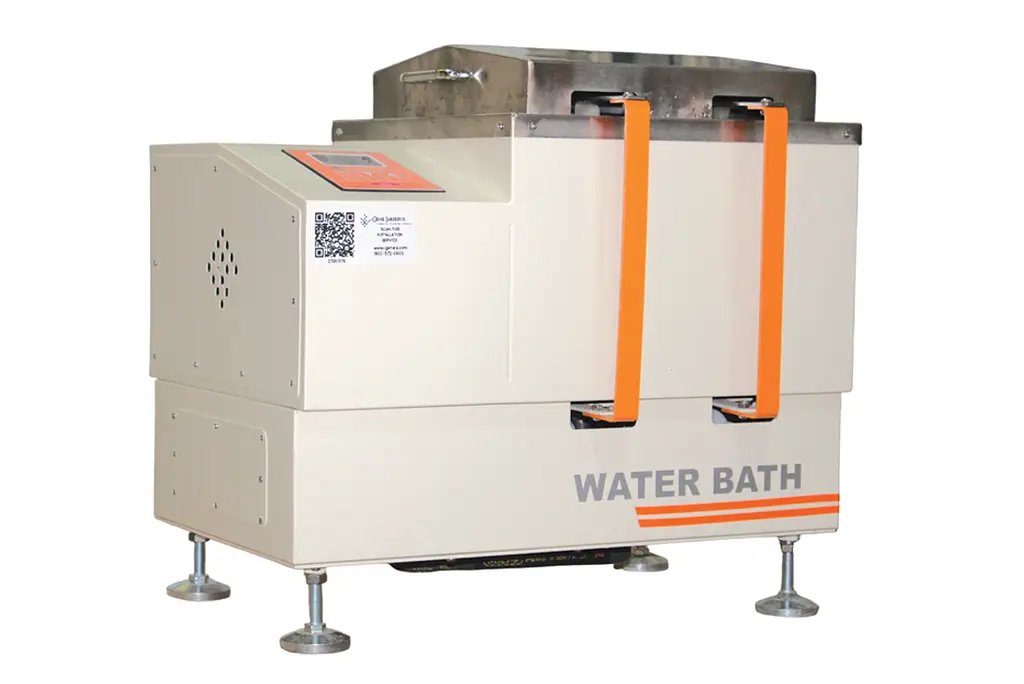
Most laboratory water baths need to maintain temperature uniformity within two to five degrees Celsius across the chamber. High-precision applications such as molecular biology or enzymatic reactions may require uniformity as accurate as 0.1 degree Celsius. However, routine tasks like sample warming can tolerate slight variations. What is Temperature Uniformity? Typically, temperature uniformity is all …

What Temperature Uniformity Is Required in a Laboratory Water Bath? Read More »

ultra-low-temperature-freezer

Which Samples Require Ultra-Low Temperature Freezer Storage?

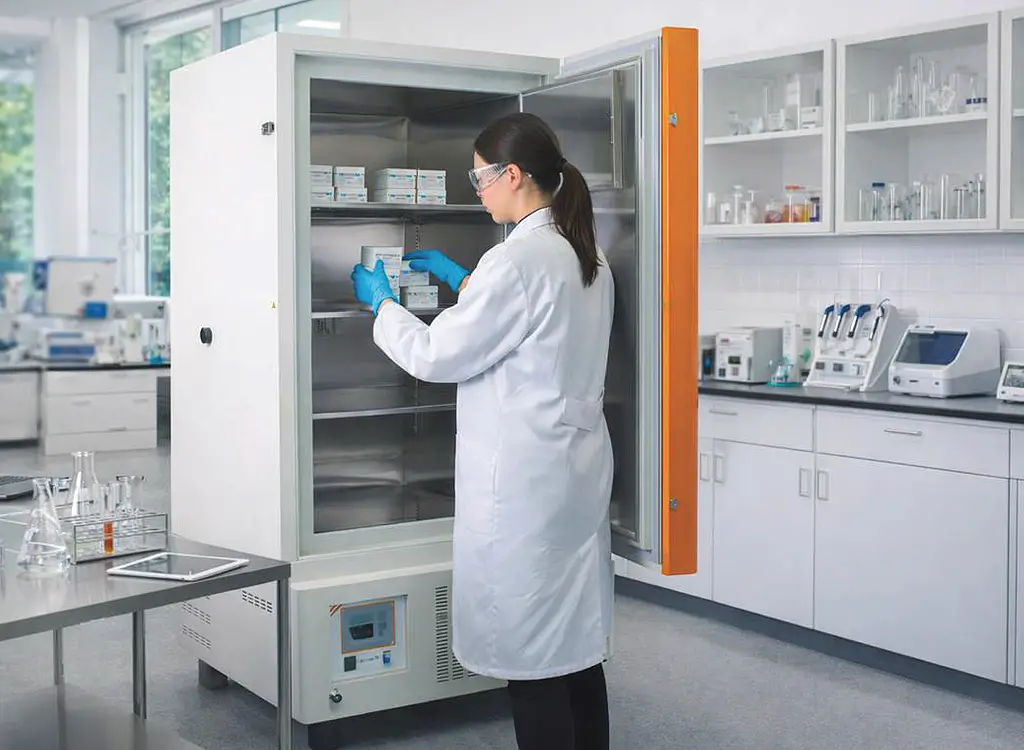
Ultra Low Temperature or ULT freezers play a crucial role in laboratories, hospitals, and research facilities across the world. They are designed to maintain a temperature range of -40 degrees Celsius and -80 degrees Celsius and preserve highly sensitive chemical samples and biological samples that would degrade at standard freezing temperatures. These samples are usually …

Which Samples Require Ultra-Low Temperature Freezer Storage? Read More »

biosafety-cabinet

What Makes a Biosafety Cabinet Safe? Non-Negotiable Factors for Maximum Lab Safety

Biosafety Cabinets is the framework of safe laboratory operations wherever cell cultures, infectious agents, or other harmful chemical handling takes place. No wonder microbiology and pharmaceutical research to biotechnology and clinical diagnostics rely on these devices to protect the three most crucial elements – the product, the user, and the environment. However, simply owning a …

What Makes a Biosafety Cabinet Safe? Non-Negotiable Factors for Maximum Lab Safety Read More »

laboratory-equipment-of-2026

Top Must-Have Essential Laboratory Equipment for 2026

Are you setting up a new lab or restructuring the existing one with necessary equipment and supplies? A modern laboratory is only as efficient, accurate, and safe as the equipment it houses. As scientific research evolves rapidly, 2026 will expectedly demand tools that offer precision, automation, and reliability across various disciplines. Whether you run a …

Top Must-Have Essential Laboratory Equipment for 2026 Read More »

bacteriological-incubator

What Temperature Should a Bacteriological Incubator Maintain for Diagnostic Labs?

A bacteriological incubator used in laboratories need to maintain temperatures between 35 Degrees Celsius and 37 Degrees Celsius being the global standard for human pathogenic bacteria culture. Maintaining this temperature ensures reliable microbial growth, accurate diagnostic results, and consistent laboratory performance. Bacteriological incubators are indispensable for diagnostic laboratories and play a crucial role in culturing …

What Temperature Should a Bacteriological Incubator Maintain for Diagnostic Labs? Read More »

home-freeze-dryer

Can Home Freeze Dryers Be Used for Pharma and Supplements?

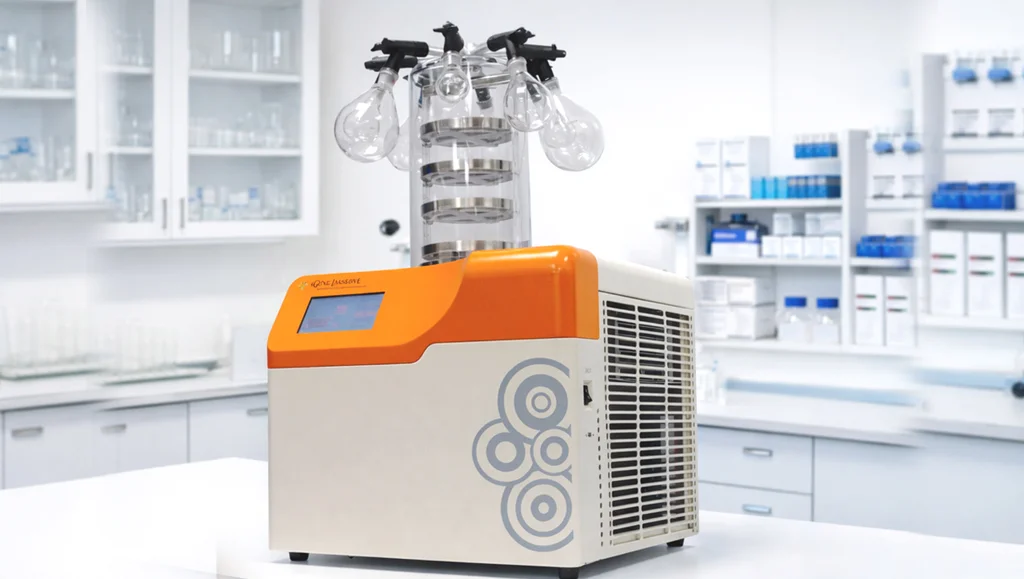
A home freeze dryer is not suitable for pharmaceuticals and supplements and have limited usage for non-commercial supplements. Even though it can remove moisture from organic materials, it lacks the precision controls, sterility, validation, and regulatory compliance required for pharmaceutical and supplement production. What is Freeze Drying? Freeze-drying or lyophilization is a critical process in …

Can Home Freeze Dryers Be Used for Pharma and Supplements? Read More »

probe-sonicator

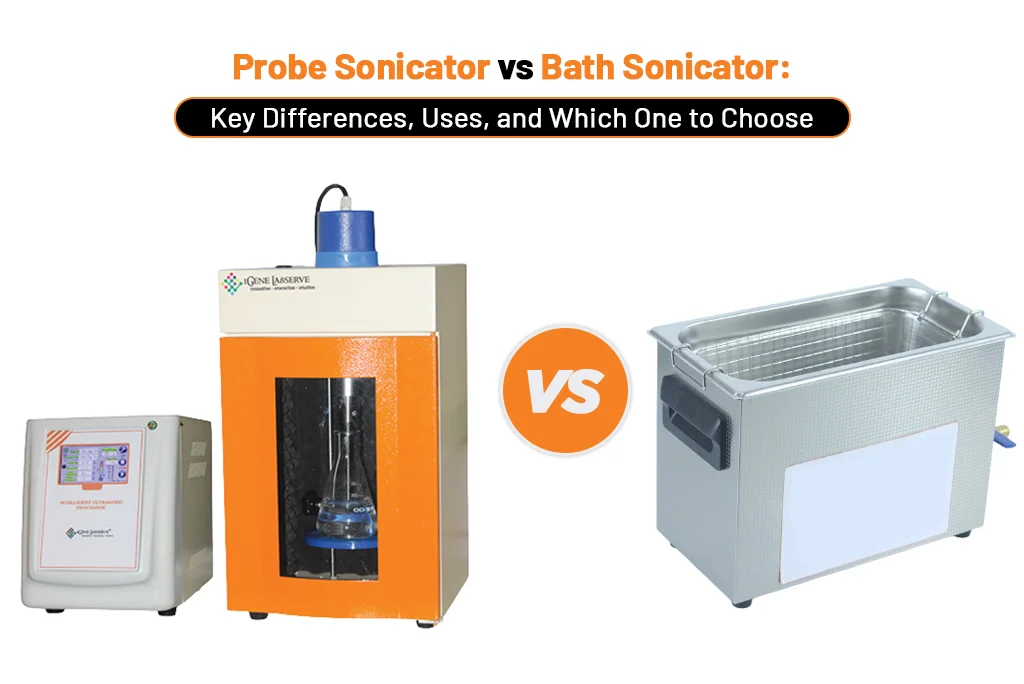
How to Choose the Right Probe Sonicator for Genomics and Proteomics Labs?

For researchers trying to extract high-quality nucleic acids and proteins, the one tool that they need is the probe sonicator. It is widely used for fragmentation of DNA for sequencing, shearing chromatin for ChIP assays, and extracting proteins for mass spectrometry. However, choosing the right equipment can put any buyer in a dilemma when it …

How to Choose the Right Probe Sonicator for Genomics and Proteomics Labs? Read More »

Lyophilization

A Comprehensive Guide to Lyophilization in Pharmaceutical and Biological Applications

Lyophilization or freeze drying is one of the most crucial techniques of preservation used in biotechnology, pharmaceutical, and bio research industries. With increasing demand for long-lasting and stable therapeutics, lyophilization is an important step in the preservation of biological materials. This guide explores the science behind this technique, its benefits, stages, and applications as well …

A Comprehensive Guide to Lyophilization in Pharmaceutical and Biological Applications Read More »