
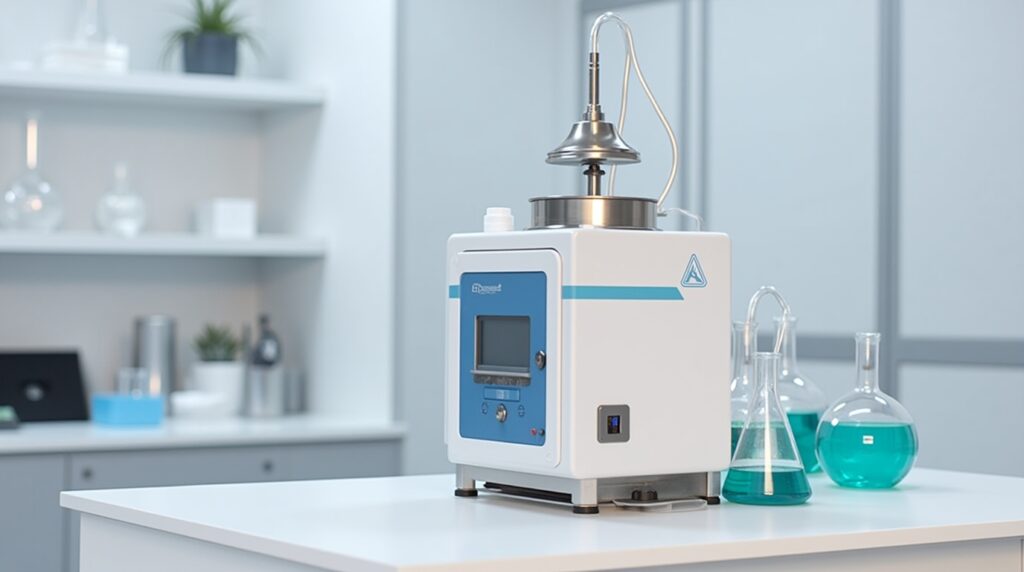
The probe sonicator is a powerful laboratory instrument and its high efficiency and precision makes it indispensable for research and pharmaceuticals. From cell disruption to nanoparticle dispersion, sample homogenization and emulsification, this instrument plays a crucial role However, like any other lab equipment, a probe sonicator requires regular maintenance to ensure consistent results and extend its operational life.
Improper handling or neglecting maintenance can lead to reduced ultrasonic output, erratic performance, and even permanent damage to the probe or converter. The good news is that with a few simple practices, you can keep the instrument in excellent condition for years.
Let us explore the essential maintenance tips to help you maximize the efficiency and performance of the probe sonicator for long-term use:
Understanding the Functioning of Probe Sonicator
Before diving into maintenance, it is essential to understand the key components of the instrument:
- Power Supply or Generator that converts electrical energy into high-frequency electrical signals.
- Converter or Transducer that transforms electrical energy into mechanical vibrations.
- Probe also called Horn or Tip that transfers ultrasonic energy into the sample.
Each part must work seamlessly for optimal sonication as misalignment, cracks, or contamination can cause inefficiency or even damage other components.
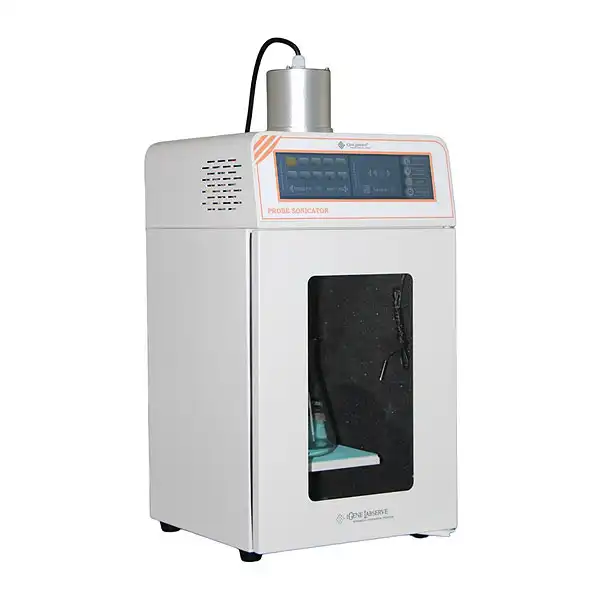
Inspect the Probe Regularly
The probe or horn of the sonicator is its most vulnerable and crucial part. Unfortunately, it continues to succumb to pitting, erosion, and surface damage. Here are the maintenance and cleanliness tips you need to follow for the probe:
- Inspect before and after each use
You need to kook for any discoloration, cracks, or rough spots at the tip.
- Clean immediately after each run
Never allow samples or residues to dry on the probe as they can harden and become difficult to remove.
- Avoid abrasive cleaning materials
Use a soft cloth or sponge with mild detergent as abrasives can scratch the probe
- Replace when worn
If the probe tip becomes visibly eroded or its output drops, it may be time to replace it. Continuing to use a damaged probe can harm the converter or cause inconsistent sonication.
Clean the Sonicator Properly
Cleaning the probe sonicator regularly is one of the simplest yet most effective maintenance practices.
Here are the steps for proper cleaning:
- Unplug the sonicator
You must always disconnect the unit from the power source before cleaning.
- Wipe the converter and generator
Use a damp and lint-free cloth to wipe the converter and generator to avoid excessive moisture.
- Clean the probe carefully
First, you need to remove the probe from the converter and then rinse it with distilled water. You can also use isopropyl alcohol to disinfect the probe if necessary.
- Dry thoroughly
You need to ensure that all the components are completely dry before reassembling them. The presence of moisture between the probe and converter threads can cause corrosion or poor energy transmission.
Pro Tip: Avoid submerging the converter or generator in water as these components contain electrical parts that can be permanently damaged by moisture.
Tighten the Probe Correctly
One of the commonest causes of performance issues in a probe sonicator is a loose or over-tightened probe. The connection between the converter and probe must be secure but not excessively tight.
- You need to use your hands at first for tightening the probe and then use the manufacturer’s recommended torque wrench (if applicable) to secure it.
- Do not over-tighten the probe as it can strip threads or crack components.
- Recheck the probe regularly as vibration during operation can sometimes loosen the probe over time.
A properly tightened connection ensures efficient energy transfer and reduces wear on both the probe and converter.
Examine the Time and Power Settings
Running a probe sonicator continuously for long periods or at excessive power can cause overheating and premature wear.
Here are the best practices:
- Use pulse mode whenever possible as alternating “on” and “off” cycles allows the system and sample to cool down and minimize heat buildup.
- Avoid maximum amplitude for extended periods as operating at 100% amplitude constantly can shorten the lifespan of the probe and converter.
- Monitor the temperature when your sample tends to heat quickly and consider using an ice bath to keep conditions stable.
Following the recommended operating cycles prevents both mechanical stress and sample degradation.
Follow Proper Storage Conditions
When you are done using the probe sonicator, pay heed to proper storage to avoid damage and contamination. Here are the steps you need to follow:
- Detach the probe and clean it before storing
- Store the probe upright or in a padded case to prevent bending or scratching
- Keep the power supply and converter in a dry and dust-free area
- Avoid exposure to extreme temperatures or humid environments, which can damage the electronic components.
Calibrate and Service the Device Regularly
Even with regular cleaning and inspection, periodic professional maintenance is essential. You must schedule annual calibration to ensure that the instrument delivers accurate energy output and consistent performance.
Follow the Guidelines of the Manufacturer
Every model of probe sonicator has unique specifications and requirements. You must always refer to your manufacturer’s operating manual for:
- Recommended cleaning materials
- Torque values for tightening probes
- Maximum operating cycles
- Safety precautions
Conclusion
The probe sonicator is a valuable investment that plays a vital role in achieving accurate, reproducible laboratory results. By following a consistent maintenance routine, you can ensure it performs at peak efficiency for years to come. Click https://www.igenels.com/ to explore our top-grade laboratory instruments.