
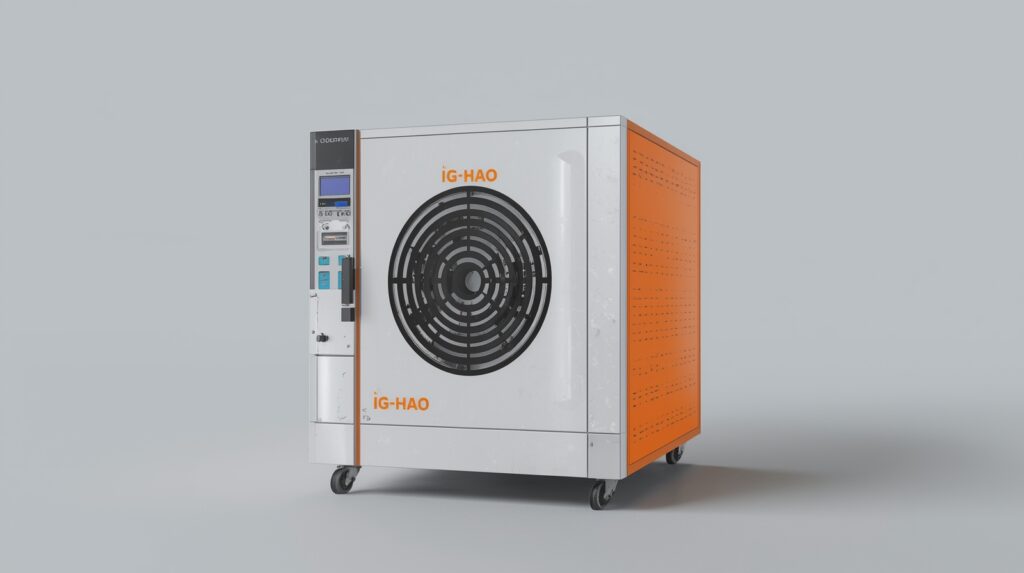
When it comes to a modern laboratory, maintaining a controlled and sterile environment is crucial for accurate results and reliable performance. One essential piece of equipment that supports this goal is the laboratory hot air oven. It is known for its versatility and precision and widely used in pharmaceutical, chemical, and industrial labs.
Whether you are sterilizing drying samples, glassware, or testing materials, understanding the key features, applications, and maintenance of hot air oven can help maximize its efficiency and lifespan.
Laboratory Hot Air Oven: Things to Know
The thermal device that leverages dry heat to sterilize dry materials at controlled temperatures is an indispensable laboratory device. The common temperature ranges may vary based on the model. These ovens are especially useful for materials that might incur damage due to moisture and steam.
Applications of Hot Air Oven
Hot air ovens are indispensable tools in multiple laboratory and industrial settings. Here are some of their most common applications:
- Sterilization of Laboratory Equipment
Hot air ovens effectively sterilize glassware, metal tools, and surgical instruments by eliminating bacterial spores and pathogens. The dry heat method is especially suitable for materials that cannot withstand moisture or corrosion.
- Drying and Dehydration
They are used to remove moisture from samples, reagents, or containers before experiments. This is crucial in chemical and pharmaceutical labs where accurate sample weights are required.
- Material Testing
In industrial and research environments, hot air ovens are used for thermal testing, such as evaluating the stability and resistance of materials like rubber, plastics, and textiles under prolonged heat exposure.
- Sample Conditioning
Certain analytical tests require samples to be pre-heated or conditioned at specific temperatures. A hot air oven, such as the Hot Air Oven – IG-HAO Series, ensures uniform heat distribution, leading to consistent results.
- Evaporation and Baking
They are ideal for evaporation studies or baking of powders and chemicals where precise heat control is needed to avoid contamination or degradation.
- Quality Control and Production
Manufacturing industries use hot air ovens to cure coatings, set adhesives, and dry paint films, ensuring quality and durability before final product release.
Key Features of a Hot Air Oven: What You Need To Identify
When choosing or operating a laboratory hot air oven, it is essential to take a glimpse at its key features and how they impact performance and safety:
When selecting or operating a laboratory hot air oven, it’s essential to understand its key features and how they impact performance and safety.
- Temperature Control and Uniformity
Modern ovens come equipped with digital temperature controllers and PID systems for precise regulation. Uniform heat distribution ensures consistent sterilization and drying, which is critical for accurate results.
- Double-Walled Construction
To maintain temperature stability, most ovens feature double or triple-walled insulation with an air gap. The outer body, often made of powder-coated steel, minimizes heat loss, while the inner chamber, usually made from stainless steel resists corrosion and facilitates cleaning.
- Air Circulation System
A built-in fan or blower ensures forced convection, circulating air evenly throughout the chamber. This improves drying efficiency and reduces temperature fluctuations.
- Safety Mechanisms
High-quality ovens include over-temperature protection, auto shut-off systems, and alarm indicators to prevent overheating and ensure user safety.
- User-Friendly Interface
Touchscreen displays, programmable settings, and data logging features make modern ovens more convenient to operate and monitor, even in high-throughput labs.
- Energy Efficiency
Advanced models are designed for optimal energy use, with intelligent heating systems that reduce power consumption without compromising performance.
- Versatility in Size and Design
Available in various capacities from compact benchtop units to large industrial chambers, hot air ovens can be tailored to specific laboratory or production needs.
Maintenance Tips for Hot Air Oven
Below are the maintenance tips for hot air oven:
- Clean the chamber regularly to remove dust, spills, or residues.
- Check door seals to ensure proper insulation and temperature stability.
- Avoid overloading the oven to maintain accurate airflow and heating.
- Calibrate the temperature periodically for consistent performance.
- Inspect heating elements for signs of wear or damage.
- Ensure proper ventilation around the oven to prevent overheating.
- Lubricate moving parts as recommended by the manufacturer.
- Use only approved accessories to avoid damage and maintain safety.
- Record maintenance schedules to track servicing and repairs.
Conclusion
The laboratory hot air oven remains an indispensable tool across scientific, industrial, and research environments, thanks to its reliability, precision, and versatility. From sterilization and material testing to quality control and drying processes, it delivers consistent performance that supports accurate and repeatable results.
Choose IGene Labserve for certified, reliable, and high-performance laboratory solutions.
FAQs
Why must you choose dry heat sterilization method in your laboratory?
Dry heat is ideal for materials that may be damaged by moisture, such as powders, oils, and metal instruments.
Which key features should I look for in the hot air oven?
The key features you should look for temperature uniformity, sturdy construction, accurate controls, safety features, and good insulation.
How does a hot air oven work?
It circulates heated air within an insulated chamber to achieve uniform temperature for sterilization or drying.