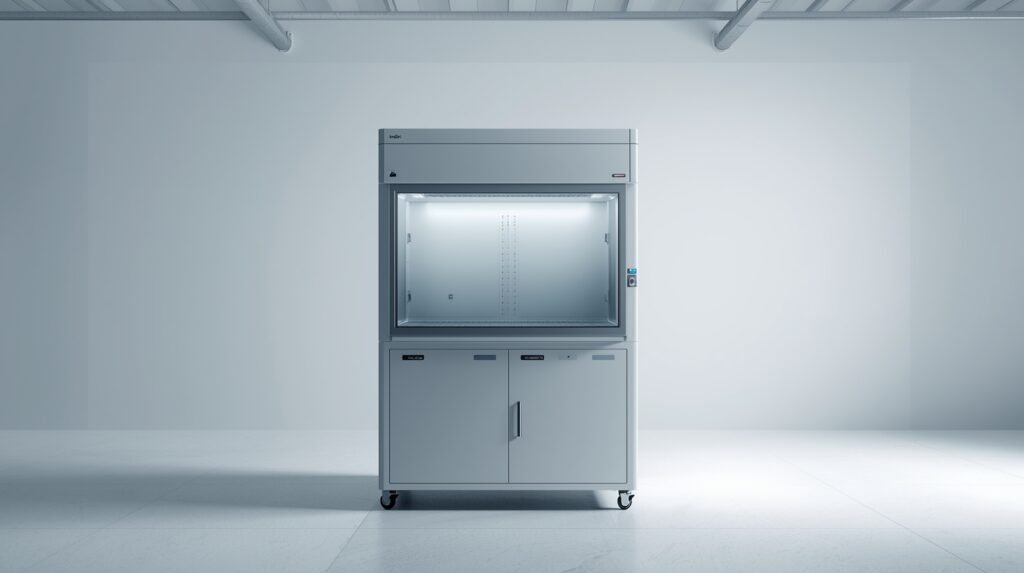
If you are a laboratory worker or researcher, you surely know how important it is to keep the environment clean and free from contaminants. Whether it is microbiology or pharmaceuticals lab, delivering a consistent stream of HEPA-filtered air through laminar air flow bench ensures the accuracy of experiments and the accuracy of products. However, to maintain high level of performance in laboratories, routine care, preventive maintenance, and proper handling play a crucial role.
Here is the guide explaining the best practices to keep the laminar air flow bench running at peak efficiency throughout its lifespan:
- Clean the Work Area Before and After Use
- Run the blower Before Starting Work
- Allow the Airflow to Go Unobstructed
- Minimize Movements Inside the Bench
- Do Not Use Open Flames
- Maintenance Tips for Laminar Airflow Bench
- Operational Tips to Prevent Contamination and Wear
- Signs your Laminar Air Flow Bench Needs Servicing
- Final Thoughts
- FAQs
Clean the Work Area Before and After Use
You must always wipe down the interior surface of the LAF bench using 90% isopropyl alcohol or any other non-corrosive disinfectant. Moreover, you need to try to clean using overlapping or straight strokes from the cleanest area near the filter to the dirtiest portion or the front edge. That way, you can prevent the contaminants from being pushed toward the HEPA filter.
Run the blower Before Starting Work
Allow the airflow to stabilize for about ten to fifteen minutes before starting any procedure. This ensures that all airborne particles are flushed out and the workspace is fully protected.
Allow the Airflow to Go Unobstructed
Do not allow any large equipment or clutter block the HEPA filter or disrupt the airflow patterns. You need to arrange the items in a manner so as to allow the air to flow freely around them.
Minimize Movements Inside the Bench
You need to know that sudden or erratic motion can lead to turbulence and attract contaminants into the work zone. You need to move slowly and maintain organized workflows.
Do Not Use Open Flames
Open flames can damage filters and disrupt the airflow. You need to for alternatives without flames like electric sterilizers to meet your needs.
Maintenance Tips for Laminar Airflow Bench
When it comes to maintaining the laminar airflow bench, here are the tips you need to follow:
1. Inspection of the pre-filter
Pre-filters trap dust and larger particles before air reaches the HEPA filter. Over time, they tend to become clogged and reduce the airflow efficiency.
- Get a weekly check
- Clean or replace as needed, often monthly or bi-monthly depending on usage
Maintaining a clean pre-filter also prolongs the life of the HEPA filter.
2. Check Airflow Consistency
If you come across signs like weird noises, reduced air velocity, or drafts that suggest airflow imbalance, you must address them immediately.
3. Clean the Outer Surface of the Bench
Dust from outside may enter through the intake. Therefore, you need to wipe down side panels, switches, stands, and the surrounding area.
4. Professional HEPA Filter Testing
A crucial part of laminar air flow bench maintenance is HEPA filter maintenance. Here, you can have professionals come over to check for proper sealing, leaks, and airflow uniformity using appropriate instruments. If the filter shows a drop in pressure, reduced efficiency, or significant contamination, replacement may be necessary.
5. Inspection of Electrical and Blower System
This inspection includes annual checks of motors, switches, wiring, and speed controllers that prevent sudden failures and ensure uninterrupted operations.
6. Maintenance of UV Lamp
UV-C lamps degrade over time and lose germicidal effectiveness even if the light is still visible. You need to replace them annually or based on the guidelines of the manufacturer.
Operational Tips to Prevent Contamination and Wear
Here are the operational tips to follow to prevent contamination and wear:
- Use Proper Work Techniques
You need to begin with sterile items close to the HEPA filter and place used materials as well as non-sterile items toward the front.
- Do Not Block the Front Grill
The front intake grill needs to stay unobstructed to ensure proper re-circulation of water.
- Do Not Lean Inside the Bench
Leaning into the workspace disturbs the functionality of laminar air flow bench and increases the chance of contamination due to clothing.
- Check the Slash Height
Make sure the sash is at a recommended height to maintain airflow balance and user safety.
- Store Chemicals and Heavy Equipment Elsewhere
Laminar flow benches are not designed for chemical fumes or bulky instruments, so avoid unnecessary strain on the bench and chemical spills.
Signs your Laminar Air Flow Bench Needs Servicing
- Reduced or uneven airflow
- Visible dust or discoloration on the HEPA filter
- Unusual noise from the blower
- Difficulty maintaining sterility during procedures
- Increased contamination incidents
- Strong odors or airflow drafts
Addressing issues early can prevent costly repairs and maintain experiment accuracy.
Final Thoughts
A laminar air flow bench plays a vital role in maintaining laboratory sterility and procedural accuracy. With proper maintenance, you can ensure your LAF bench operates at peak efficiency for many years, making it an essential part of your microbiology equipment.
FAQs
How often should I clean the inside of laminar air flow bench?
You need to clean the interior before and after every use with 70% isopropyl alcohol or a non-corrosive disinfectant.
How often should the pre-filter be replaced?
Pre-filters should be checked weekly and replaced monthly or as needed based on dust buildup.
What should I avoid placing in the laminar flow bench?
You need to avoid clutter, large equipment, chemicals, or anything that disrupts airflow or creates turbulence.