
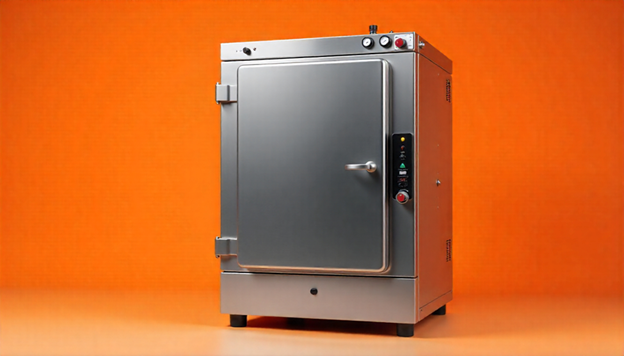
Whether in laboratories, clinics, hospitals, or research facilities where sterilization is non-negotiable, a vertical autoclave is must-have equipment. It is known for its efficiency, compact footprint, and reliability. No wonder, it is widely used to sterilize instruments, culture media, glassware, and biomedical waste. However, like any mechanical system, it can also develop operational issues and when left uncorrected may compromise sterilization, safety, and productivity.
Here are the common problems associated with vertical autoclaves and the troubleshooting techniques that ensure consistent performance and longer equipment life.
Autoclave Not Reaching Required Pressure or Temperature
One of the most serious issues is when the vertical autoclave fails to reach the required temperature or pressure for effective sterilization. This can result in incomplete sterilization, putting both users and samples at risk.
Common Causes
- Faulty heating element
- Defective pressure sensor
- Steam leakage
- Malfunctioning control panel
The Fix
- Inspect the heating element for signs of wear or damage
- Calibrate or replace faulty sensors
- Check gasket integrity and tighten loose fittings
- Reset or repair the control system through a certified technician
Regular validation and temperature mapping help detect this issue early.
Steam Leakage from Lid or Valves
Steam escaping from the lid or safety valves during operation indicates leakage, which reduces pressure and compromises sterilization.
Common Causes
- Worn-out lid gasket
- Loose lid locking mechanism
- Blocked or damaged safety valve
The Fix
- Replace the rubber gasket periodically
- Ensure the lid is properly secured before starting each cycle
- Clean and inspect safety valves for blockages or corrosion
Preventive maintenance is the best defense against pressure loss.
Incomplete Sterilization of Loads
The Problem
Even when temperature and pressure appear normal, loads may come out inadequately sterilized.
Common Causes
- Overloading the chamber
- Improper placement of materials
- Poor steam circulation
- Inadequate exposure time
The Fix
- Avoid stacking instruments too tightly
- Use perforated trays to allow steam penetration
- Follow recommended load capacity
- Verify cycle time matches the type of material being sterilized
Chemical and biological indicators should be used routinely to confirm sterilization effectiveness.
Water not Draining Properly
Residual water left inside the chamber of the vertical autoclave after a cycle can damage instruments and promote corrosion.
Common Causes
- Blocked drain line
- Sediment buildup
- Faulty drain valve
The Fix
- Flush the drain line regularly
- Descale the chamber using manufacturer-approved solutions
- Replace defective drain valves as needed
Poor water quality accelerates drainage problems, so filtered or treated water is recommended.
Excessive Noise or Vibration during Operation
Unusual sounds or vibration can indicate internal mechanical issues that may worsen over time.
Common Causes
- Loose internal components
- Worn bearings
- Imbalanced load
- Pump malfunction
The Fix
- Ensure loads are evenly distributed
- Tighten loose fittings
- Inspect pump and motor assemblies
- Schedule professional servicing for internal mechanical faults
Ignoring this weird noise often leads to more costly breakdowns later.
Errors in Control Panel
The Problem
Error codes, frozen displays, or incorrect readings on the control panel of vertical autoclave disrupt operations and delay sterilization cycles.
Common Causes
- Electrical fluctuations
- Software glitches
- Moisture ingress
- Aging circuit boards
The Fix
- Power-cycle the unit and reset the system
- Stabilize electrical supply using voltage regulators
- Keep the control panel area dry
- Replace damaged PCBs under manufacturer guidance
Digital failures should always be handled by trained service personnel.
Safety Valve Releasing Steam
If the safety valve releases steam too often, it signals pressure imbalance within the system.
Common Causes
- Pressure sensor inaccuracies
- Overfilled chamber
- Blocked exhaust pathway
The Fix
- Recalibrate pressure sensors
- Reduce load size
- Clean exhaust lines and filters regularly
The safety valve is a critical protective component, so make sure to maintain it properly.
Corrosion and Material Degradation
Rust, pitting, or discoloration inside the chamber threatens sterility and structural integrity.
Common Causes
- Use of untreated water
- Poor drying after cycles
- Harsh chemical residues
The Fix
- Use demineralized or treated water
- Dry the chamber after daily operations
- Avoid corrosive cleaning agents not approved by the manufacturer
Routine internal inspections help detect corrosion early.
Slow Heating or Extended Cycle Time
When cycles take unusually long to reach operating conditions, it reduces throughput and increases energy consumption.
Common Causes
- Scaling on heating elements
- Insufficient power supply
- Degraded heating coils
The Fix
- Perform scheduled de-scaling
- Verify proper electrical supply
- Replace aging heating components
Routine de-scaling significantly improves energy efficiency in rectangular to vertical autoclave.
Final Thoughts
A vertical autoclave is the backbone of sterilization in many professional environments but its performance depends heavily on proper operation and maintenance. From precision laboratory equipment to reliable sterilization solutions, IGene Labserve delivers performance you can trust. Visit to connect with us today.
FAQ's
Failure to reach the required temperature or pressure is the most common and critical issue.
It usually happens due to pressure sensor errors, overloading, or blocked exhaust lines.
Routine inspections should be done weekly, with professional servicing at least once a year.
Yes, they help confirm that sterilization is effective and compliant with safety standards.