iGene Labserve

Microbiology Lab Instruments

ultra-low-temperature-freezer

Which Samples Require Ultra-Low Temperature Freezer Storage?

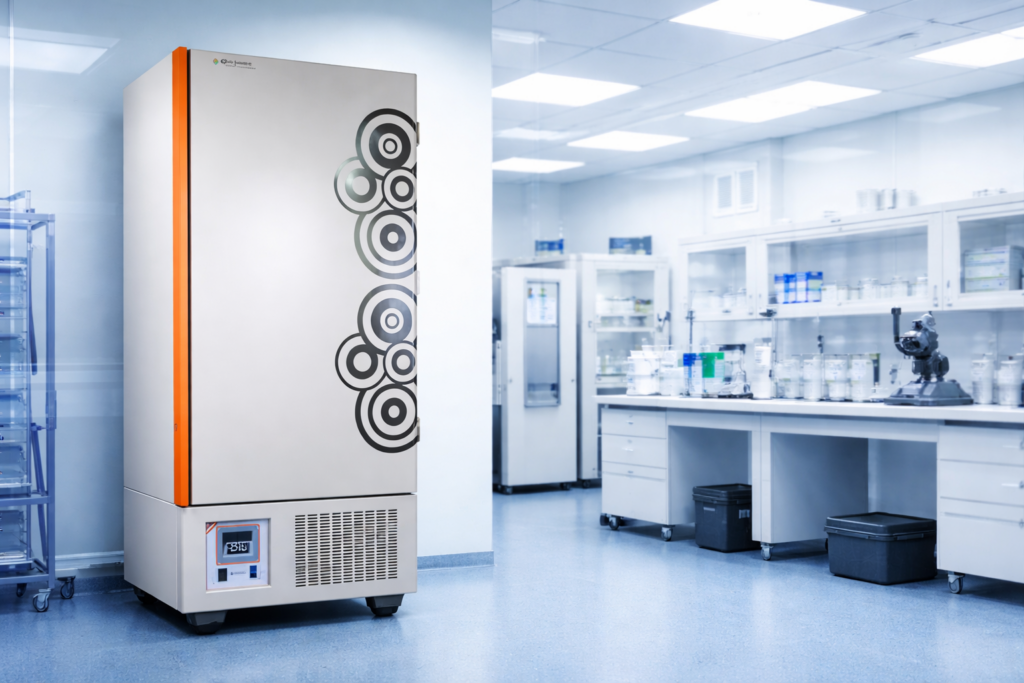
Ultra Low Temperature or ULT freezers play a crucial role in laboratories, hospitals, and research facilities across the world. They are designed to maintain a temperature range of -40 degrees Celsius and -80 degrees Celsius and preserve highly sensitive chemical samples and biological samples that would degrade at standard freezing temperatures. These samples are usually …

Which Samples Require Ultra-Low Temperature Freezer Storage? Read More »
biosafety-cabinet

What Makes a Biosafety Cabinet Safe? Non-Negotiable Factors for Maximum Lab Safety

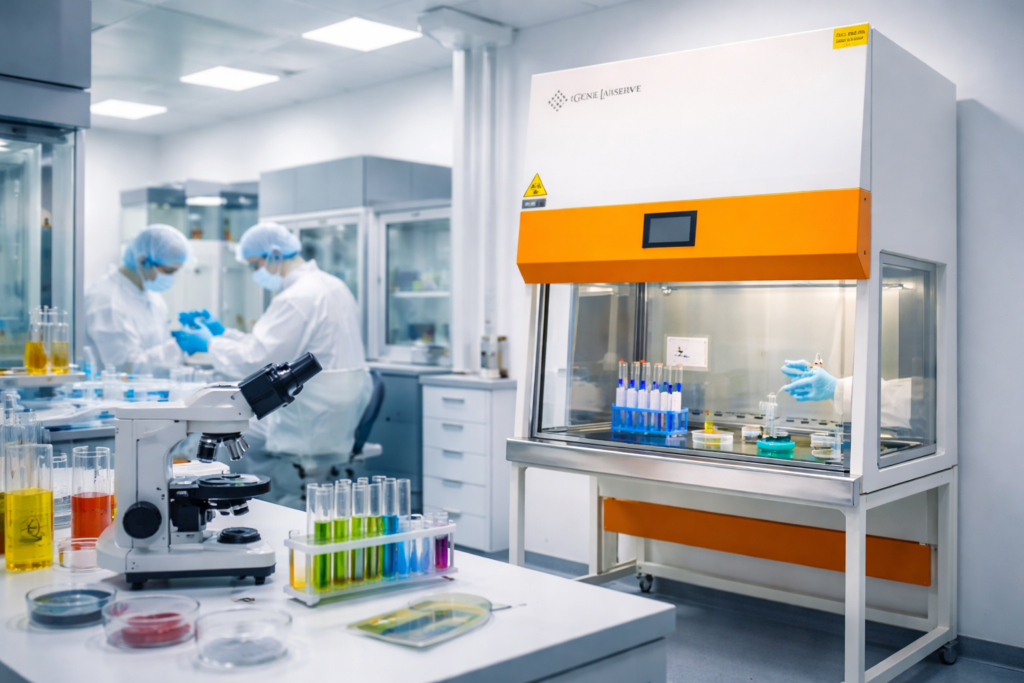
Biosafety Cabinets is the framework of safe laboratory operations wherever cell cultures, infectious agents, or other harmful chemical handling takes place. No wonder microbiology and pharmaceutical research to biotechnology and clinical diagnostics rely on these devices to protect the three most crucial elements – the product, the user, and the environment. However, simply owning a …

What Makes a Biosafety Cabinet Safe? Non-Negotiable Factors for Maximum Lab Safety Read More »

bacteriological-incubator

What Temperature Should a Bacteriological Incubator Maintain for Diagnostic Labs?

A bacteriological incubator used in laboratories need to maintain temperatures between 35 Degrees Celsius and 37 Degrees Celsius being the global standard for human pathogenic bacteria culture. Maintaining this temperature ensures reliable microbial growth, accurate diagnostic results, and consistent laboratory performance. Bacteriological incubators are indispensable for diagnostic laboratories and play a crucial role in culturing …

What Temperature Should a Bacteriological Incubator Maintain for Diagnostic Labs? Read More »

Vertical Autoclave

Vertical Autoclave: Identifying Common Issues and Correcting the Flaws

Whether in laboratories, clinics, hospitals, or research facilities where sterilization is non-negotiable, a vertical autoclave is must-have equipment. It is known for its efficiency, compact footprint, and reliability. No wonder, it is widely used to sterilize instruments, culture media, glassware, and biomedical waste. However, like any mechanical system, it can also develop operational issues and …

Vertical Autoclave: Identifying Common Issues and Correcting the Flaws Read More »

Biosafety Cabinet Class II A2

A2 Vs B2 Biosafety Cabinets: How to Choose One for Optimal Lab Safety?

Choosing an appropriate Class II biosafety cabinet or BSC is not just pinning on any model.  It is also about matching the ventilation of the facility, the airflow design, and the hazards you handle. The commonest sub types of BSCs are Class II, Types A2 and Class II Types B2. Here is a practical guide …

A2 Vs B2 Biosafety Cabinets: How to Choose One for Optimal Lab Safety? Read More »

biosafety cabinet

Biosafety Cabinet Class II A2: Essential Applications and Smart Buying Tips

Maintaining safety in laboratories is non-negotiable, especially those that work with infectious agents, sensitive biological materials, and cell cultures. Among various safety tools that are available, Biosafety Cabinet Class II A2 remains one of the most widely used and a trusted choice in the field of research. It provides protection to both products and personnel …

Biosafety Cabinet Class II A2: Essential Applications and Smart Buying Tips Read More »

laminar-air-flow-benches

Horizontal vs. Vertical Laminar Air Flow Benches: Which is Right for Your Lab?

In laboratory environment, product sterility plays a crucial role and laminar flow benches are essential for maintaining contamination-free workspaces. Whether you are handling non-pathogenic samples, assembling sterile components, or carrying out sensitive work in electronics, laminar air flow benches ensure that clean and particle-free air flows over your materials. However, one of the biggest dilemmas …

Horizontal vs. Vertical Laminar Air Flow Benches: Which is Right for Your Lab? Read More »

laminar-air-flow-bench

How to Keep Your Laminar Air Flow Bench Running At Peak Efficiency?

If you are a laboratory worker or researcher, you surely know how important it is to keep the environment clean and free from contaminants.  Whether it is microbiology or pharmaceuticals lab, delivering a consistent stream of HEPA-filtered air through laminar air flow bench ensures the accuracy of experiments and the accuracy of products. However, to …

How to Keep Your Laminar Air Flow Bench Running At Peak Efficiency? Read More »

hot-air-oven

The Laboratory Hot Air Oven: Applications, Key Features, and Essential Maintenance

When it comes to a modern laboratory, maintaining a controlled and sterile environment is crucial for accurate results and reliable performance. One essential piece of equipment that supports this goal is the laboratory hot air oven. It is known for its versatility and precision and widely used in pharmaceutical, chemical, and industrial labs. Whether you …

The Laboratory Hot Air Oven: Applications, Key Features, and Essential Maintenance Read More »

Laboratory Fume Hoods

How Fume Hoods Protect Laboratory Personnel and Prevents Hazards?

Fume hoods are one of the essential elements in laboratory settings and ensure efficiency and safety within scientific environments where research work takes place. The equipment is primarily designed to protect laboratory personnel from vapours, hazardous fumes, and dust. However, laboratory fume hoods also help maintain a controlled environment in labs. What is a fume …

How Fume Hoods Protect Laboratory Personnel and Prevents Hazards? Read More »