

The world of biological research is complex indeed and safety is one of the major priorities. Laboratories often handle hazardous pathogens, infectious materials, and recombinant DNA, making containment systems a must-have. One of the most trusted equipment that stands as the major safeguarding element is the biosafety cabinet.
It is critical safety equipment designed to protect lab personnel, the lab environment, and various research materials from contamination. When used in the right manner, a biosafety cabinet can help avert disasters that are most likely to cause infections, public health crisis, and data loss.
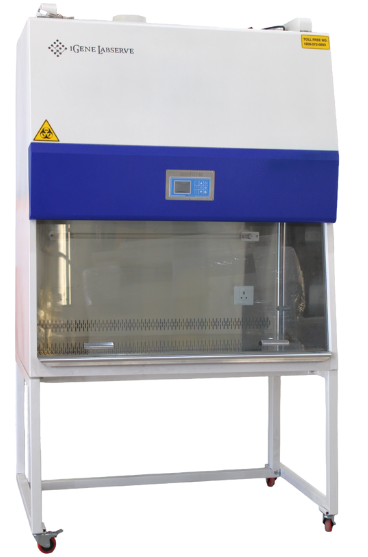
What is a biosafety cabinet?
Biosafety cabinets are carefully engineered and enclosure type equipment that leverages airflow direction and includes HEPA filtration to create sterile environment that is needed to work with infectious or potentially hazardous biological materials. Here are the three classes of biosafety cabinets:
- Class I BSCs protect the personnel and the environment but not the sample
- Class II BSCs offer protection to the environment, the samples as well as the personnel
- Class III BSCs are high-end cabinets that are extensively used for working with the most deadly pathogens
Most researchers in biological laboratories rely on Class II BSCs as they strike a balance between protection and accessibility.
Ways in which BSCs help avert disasters
Here are the ways in which biosafety cabinets help prevent disasters in biological laboratories:
- Protecting lab personnel from exposure
One of the most prominent threats that may occur in any biological lab is the spread of infection or exposure to toxic materials. Researchers working with viruses, bacteria, or cell cultures are exposed to accidental contact through spills, aerosols, or splashes.
These cabinets prevent such exposure by pulling air into the front grille, ensuring that the contaminated air does not escape into the lab. The air then undergoes filtration through HEPA filter that traps very small particles with efficiency. That way, it’s easier to capture viruses, bacteria, and other pathogens. With this containment mechanism, BSCs save countless researchers from illnesses due to toxic exposure.
- Maintaining the integrity of samples
Ever wondered that cross-contamination may badly ruin your days or months of laboratory work by producing flawed results. It is here that a biosafety cabinet can be fully trusted when it comes to maintaining sample integrity. With this equipment comes the sterile airflow that blows down onto the work station, thereby protecting samples from airborne contaminants. What’s more is that the air circulates constantly through HEPA filters and ensure that the internal environment stays clean.
- Complying with biosafety regulations
Disasters may not always affect the lab personnel but they have got a lot to do with regulatory or legal violations; failure to comply with the legalities may lead to fines, shutdowns, or damaged reputations of laboratories. To ensure that you work according to the national and international biosafety guidelines from CDC and OSHA require appropriate strategies for high-risk work.
To comply with the regulations, you must use certified and properly-maintained cabinets that meet the standard of your laboratory. That way, scores of incidents that may invite penalties can be averted and safety of lab personnel needs to assume top priority.
- Preventing environmental contamination
Are you aware that even a single drop of spill from cultured samples containing hazardous substances can result in contamination of lab environment? If such spread is not contained immediately, it can pose risks not just within the lab environment but to the surrounding community and the building.
BSCs prevent environmental contamination by containing spills within the unit. Moreover, any air that comes out of the cabinet is HEPA-filtered, ensuring that no pathogens escape into the ventilation system of the building or into the room. The containment plays a vital role when dealing with drug-resistant organisms.
Best practices for maximizing protection in labs
Even the best BSCs cannot perform when used improperly. To truly avert disasters, labs must follow strict protocols:
- Training: All users must be trained in the correct use of the BSC, including proper startup/shutdown procedures and workflow techniques.
- Maintenance: HEPA filters and airflow systems must be tested and certified at least annually by qualified professionals.
- Decontamination: Cabinets should be routinely cleaned and decontaminated before and after use, particularly when switching between projects or organisms.
- Behavior: Users should minimize movement inside the cabinet, avoid blocking airflow grilles, and avoid using flames or equipment that disrupts airflow.
The biosafety cabinet is growing in popularity with increased instances of biological threats. From acting as the fine line of defense against contamination, exposure, and environmental release in biological laboratories, it is one of the best devices that help maintain a sterile environment in biological labs.
If you want to keep your lab safe and stay compliant with the regulations, trust IGene Labserve for NSF-certified cabinets to protect your team and the samples from contamination. Visit https://www.igenels.com/ to browse our collections of laboratory equipment today.