
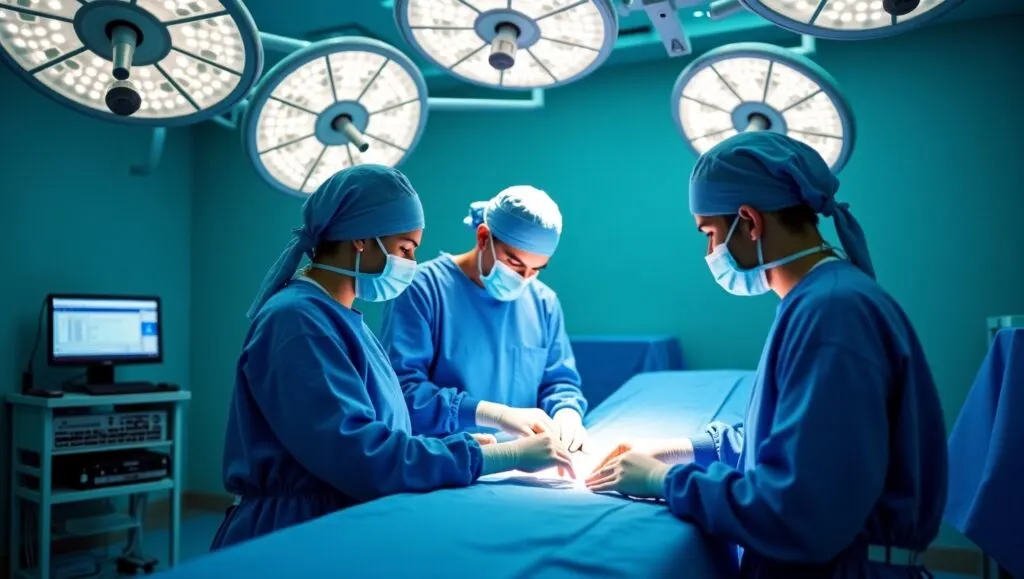
When it comes to conducting surgeries, precautions are a must-have as far as safety is concerned. One of the most powerful technologies that protect patients and ensure sterile conditions during surgery is laminar air flow. It is commonly found in modern operation theaters and play a crucial role in reducing the risk of airborne contamination and improves surgical outcomes.
However, you might wonder as to what this technology is all about and how it contributes to safety and hygiene during surgeries in modern operation theaters. So, let us take a glimpse below:
Laminar air flow: everything you should know
Laminar air flow is the movement of filtered air in a consistent and undisturbed manner in one direction. It can flow vertically from ceiling to floor or horizontally across the room.
Compared to regular air flow, which is turbulent, the laminar flow has a constant velocity and reduces the chances of particles turning airborne. In modern operation theaters, laminar flow systems can be found in sterile environments and clean rooms and helps control the quality of air. Usually, the air moves through HEPA filters, removing up to 99.97% of contaminants.
What air quality matters during surgery?
The air inside an operating room can be a hidden source of infection. Even in seemingly clean environments, particles and microbes can float through the air and settle on surgical instruments, open wounds, or sterile surfaces. These particles may come from:
- Staff movement and clothing
- Equipment usage
- Patient skin and breathing
- External airflow entering through doors
Without proper air control, these contaminants can lead to surgical site infections, a serious and sometimes life-threatening complication.
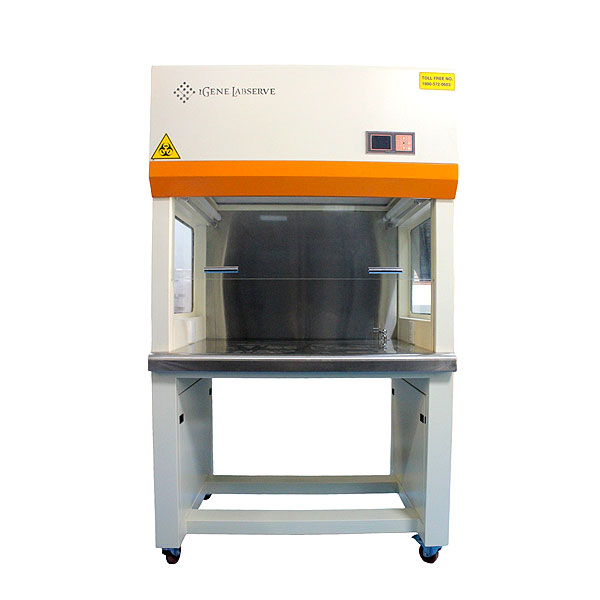
How laminar air flow boosts patient safety?
Laminar flow systems address this problem with a combination of filtration, airflow control, and strategic design. Here’s how they contribute to safer surgeries:
- Maintains sterile air zone
In most modern operation theaters, a laminar airflow ceiling module is installed directly above the operating table. This setup delivers a continuous stream of sterile air downward over the surgical site. Because the air flows in a single direction, it pushes contaminants away and prevents them from circulating in the critical zone.
- Reduces turbulence
Laminar flow eliminates air turbulence caused by movement of equipment or human activity. Turbulence is a major cause of particle disturbance and spread. By maintaining a calm, uniform flow, particles settle down and do not become re-suspended into the air.
- Reduces airborne contamination
HEPA filters within laminar flow systems remove micro-organisms and fine particles from the air before it enters the operating room. This drastically reduces the microbial load in the environment and minimizes the chance of pathogens reaching the patient during surgery.
- Creates pressure zones
Modern operation theaters often use positive pressure in combination with laminar flow. This means the air pressure inside the operating room is higher than in surrounding areas, so air only flows outward, preventing unfiltered air from entering the sterile zone.
Numerous studies have shown that operating rooms equipped with laminar air flow systems see fewer surgical site infections, especially in high-risk procedures. By creating a clean-air environment, laminar flow reduces the need for post-operative antibiotics, shortens hospital stays, and leads to faster recovery for patients.
As hospitals continue to invest in advanced medical technologies, laminar flow systems are becoming a standard feature in high-quality surgical facilities. With their ability to dramatically improve air purity, it is the right choice for patients and medical professionals. At IGene Labserve, we bring cutting-edge solutions to help you make smarter, faster, and more accurate healthcare decisions. Click here https://www.igenels.com/ to brows our lab equipment collections.