
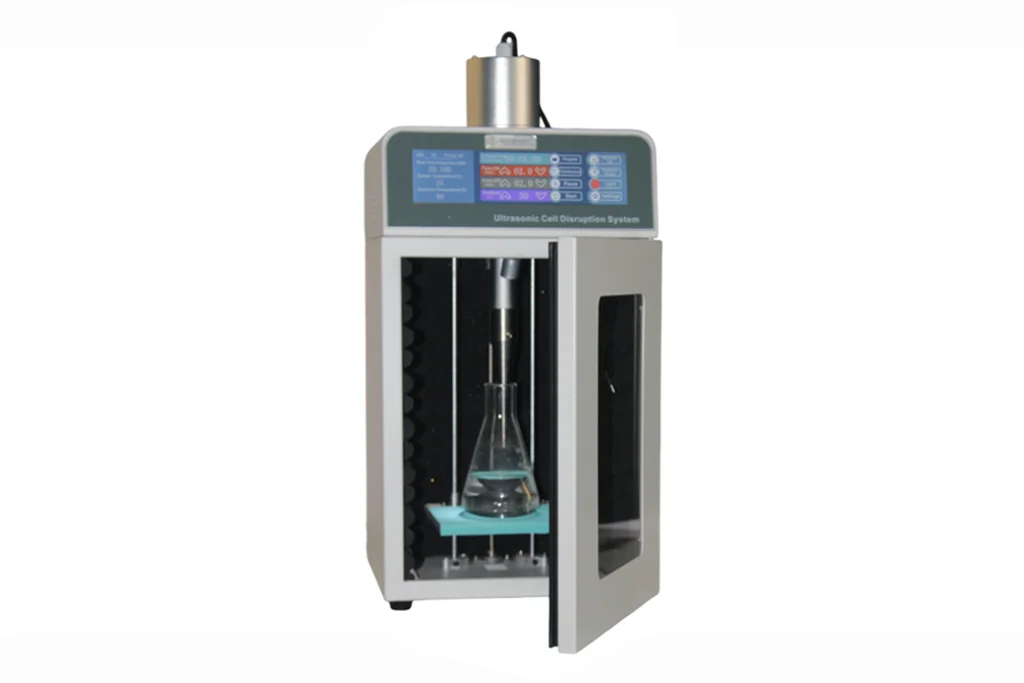
For researchers trying to extract high-quality nucleic acids and proteins, the one tool that they need is the probe sonicator. It is widely used for fragmentation of DNA for sequencing, shearing chromatin for ChIP assays, and extracting proteins for mass spectrometry. However, choosing the right equipment can put any buyer in a dilemma when it is about ensuring precision, reproducibility, and the protection of sensitive biomolecules.
Read this guide below to understand the key factors to consider when selecting a probe sonicator for genomics and proteomics laboratories.
Power and Frequency
One of the most important aspects is probe sonicator power settings, which is measured in Watt.
- Higher power from 500W-1300W is the right one for tougher samples like bacterial, yeast, and plant tissues.
- Lower power from 100W-500W is good for nucleic acid fragmentation and softer mammalian cells.
Most sonicators operate at a frequency of around 20 kHz, which is suitable for general laboratory use. For specific tasks like sophisticated chromatin shearing, you need to choose a model that fine-tunes the duty cycle and the amplitude.
Probe Size and Shape
The size of the probe influences energy distribution:
- Small probes (1–3 mm tip) are ideal for low-volume applications and precise shearing.
- Larger probes (6–13 mm tip) work better for processing larger volumes quickly.
Having interchangeable probes allows laboratories adapt to a range of sample volumes from a few microliters to tens of milliliters.
Volume Capacity and Throughput
Think about the volume of samples your lab typically processes:
- Low-throughput labs may only need a compact sonicator for occasional samples.
- High-throughput facilities benefit from sonicators with higher power and adaptability for multiple tubes.
Some sonicators come with multiple horn attachments or accessories that allow simultaneous processing of several samples thereby improving productivity in busy labs.
Temperature Control and Cooling Options
Ultrasonic energy inevitably heats samples, which can create trouble for heat-sensitive molecules like RNA and some proteins.
- Built-in temperature probes and automatic shut-off features help preserve sample integrity.
- Accessory cooling systems like ice baths, circulating chillers are essential for longer or high-power sonication runs.
If your workflows involve RNA, chromatin immunoprecipitation (ChIP), or intact protein complexes prioritize units that integrate or support cooling.
Software and Digital Controls
Modern probe sonicators often include:
- Digital interfaces
- Programmable protocols
- Real-time monitoring
These features help standardize workflows, improve reproducibility, and enable seamless transfer of sonication conditions between operators or projects.
For labs implementing automated workflows, units with software connectivity or programmable memory settings are a significant advantage.
Budget and Support
A probe sonicator ranges from budget benchtop models to high-end programmable units. Therefore, when planning purchases, you must evaluate:
- Total cost of ownership accessories, probes, and warranty
- Local service and technical support
- Choose suppliers with reagent compatibility advice to avoid issues in sensitive applications
Some manufacturers also provide application support that help optimize settings for specific workflows.
Final Thoughts
Choosing the right probe sonicator for genomics and proteomics labs is about more than power alone. It is about matching workflow needs, sample types, and throughput demands with features that offer precise control, reproducibility, and protection of sample integrity. Enhance the accuracy and reproducibility of your genomics and proteomics workflows with precision-engineered probe sonicators from iGene Labserve. Visit iGene LabServe to upgrade your lab performance.
FAQs
How does a probe sonicator differ from bath sonicator?
Probe sonicators deliver ultrasonic energy directly into the sample, making them more powerful and precise than bath sonicators.
Is probe sonication suitable for RNA extraction?
Yes, probe sonication can be used for RNA extraction, provided temperature control and optimized settings are used to prevent RNA degradation.
How should you maintain the probe sonicator?
Yes, probe sonication can be used for RNA extraction, provided temperature control and optimized settings are used to prevent RNA degradation.