

Gel electrophoresis is one of the most fundamental techniques used for analyzing DNA, RNA, and protein samples. However, once you run the gel to capture and analyze the results, you will need a gel documentation system. Choosing the right one for your laboratory can significantly impact the quality of results, efficiency of workflow and the overall research productivity.
With so many models and features available, choosing the right system may feel overwhelming. Whether it is a teaching or a high throughput-research laboratory, here are the tips to help you make the right choice:
Understand the Requirements of Your Application
You can start by identifying what you’ll primarily use the system for:
- DNA and RNA imaging
- Protein analysis like Western blots
- Fluorescence detection
- Chemiluminescence imaging
- UV or visible light imaging
Not all systems are suitable for every application. For example, basic gel imaging systems may be fine for visualizing DNA under UV light, but they might not support chemiluminescence or multiplex fluorescence needed for more advanced protein work.
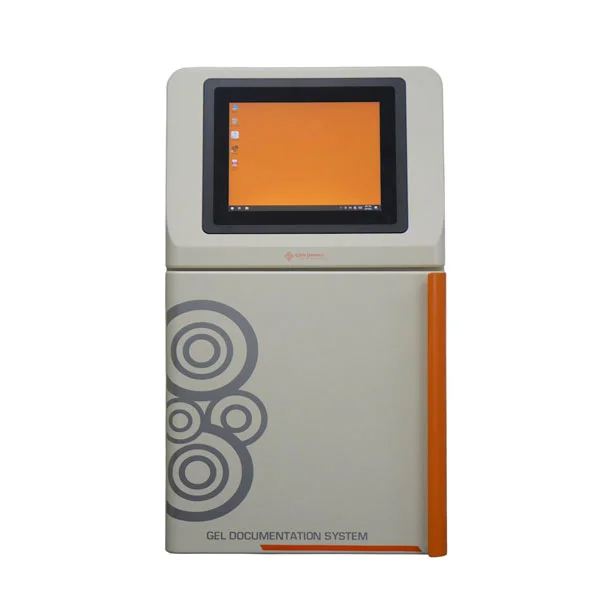
Consider the Quality and Sensitivity of the Image
High-resolution imaging is essential for accurate analysis. Look for the best gel documentation system with:
- High-resolution CCD or CMOS cameras
- Low-light sensitivity for detecting faint bands
- Auto-focus and exposure settings to simplify use
- Wide dynamic range for accurate quantification
If your work involves quantitative imaging like comparing band intensities, camera sensitivity and dynamic range are especially important.
Check Light Source and Filter Options
Different stains and markers require different light sources and filters such as:
- UV transilluminators for ethidium bromide and some DNA stains
- Blue light for SYBR Safe, GelGreen, and other safer alternatives
- White light for Coomassie-stained gels or colorimetric blots
- LEDs and excitation filters for fluorescent imaging
If you’re using multiple dyes, you need to choose a system that supports interchangeable filters or has multi-channel capabilities.
Size of the Equipment
Bench space is limited in several laboratories. Make sure the gel documentation system fits your space and requirements. Here is what you need to know:
- Compact systems are great for small labs or teaching environments.
- Larger, modular systems may be better for high-throughput labs with diverse imaging requirements.
Ease of Use and Software Features
A gel doc system should streamline and not slow down your workflow. You need to look for systems that offer:
- Intuitive touchscreen interfaces
- Pre-set protocols for common gel types
- Automated exposure, contrast, and focus
- Integrated image analysis software for band quantification and molecular weight estimation
Also, you must ensure that software is compatible with your operating system and supports easy export of results in standard formats like JPG and PDF etc.
Connectivity and Data Management
Modern labs benefit from systems that offer:
- USB and Ethernet ports
- Wi-Fi or cloud connectivity for remote access
- Direct integration with LIMS (Laboratory Information Management Systems)
- Data backup and sharing across lab teams
These features enhance collaboration, compliance, and efficiency, especially in multi-user environments.
Prepare the Budget Wisely
While budget is always a concern, don’t just go for the cheapest option. Instead, evaluate:
- Initial cost vs. long-term value
- Warranty, service plans, and software updates
- Consumable costs like special trays, filters, or lights
- Scalability—can the system grow with your lab?
Spending a little more upfront can save you time, troubleshooting, and replacement costs in the long run.
Check Warranty and Support
A gel documentation system is a technical piece of equipment. Choose a vendor with:
- Strong customer support and responsive technical service
- Comprehensive warranty coverage
- Training and documentation for your team
Some suppliers also offer on-site demos, which can be helpful before making a purchase.
Conclusion
Choosing the best gel documentation system is a strategic decision that affects your lab’s efficiency, data quality, and future capabilities. By considering your applications, imaging needs, software usability, and support options, you can select a system that aligns with your scientific goals and grows with your lab. At IGene Labserve, we provide cutting-edge gel doc systems and lab equipment designed for precision, performance, and reliability.
FAQs
What is most important when choosing a gel documentation system?
Image quality, compatibility with your applications, ease of use, and software features are a few things you cannot overlook when choosing the equipment.
Is it worth investing in equipment with advanced features?
Yes, you will need equipment with advanced features if you need high sensitivity, automation, or plan to scale your research.
Should I request for a demo of the equipment?
Yes, you must. Testing the system with your samples ensures it meets your lab’s needs.
Can a system handle multiple stains?
Yes, if it has multiple filters and light sources for different dyes and detection modes.
How long does it take to capture an image?
It usually takes just a few seconds to capture images with auto-focus and exposure settings.