iGene Labserve

admin

ultra-low-temperature-freezer

Which Samples Require Ultra-Low Temperature Freezer Storage?

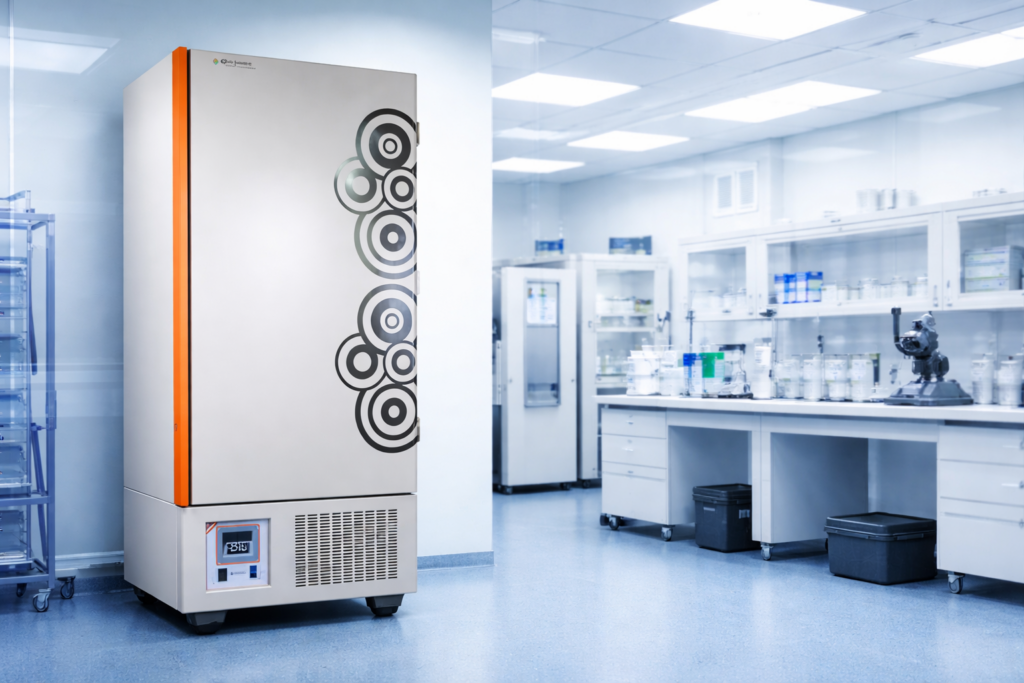
Ultra Low Temperature or ULT freezers play a crucial role in laboratories, hospitals, and research facilities across the world. They are designed to maintain a temperature range of -40 degrees Celsius and -80 degrees Celsius and preserve highly sensitive chemical samples and biological samples that would degrade at standard freezing temperatures. These samples are usually …

Which Samples Require Ultra-Low Temperature Freezer Storage? Read More »

biosafety-cabinet

What Makes a Biosafety Cabinet Safe? Non-Negotiable Factors for Maximum Lab Safety

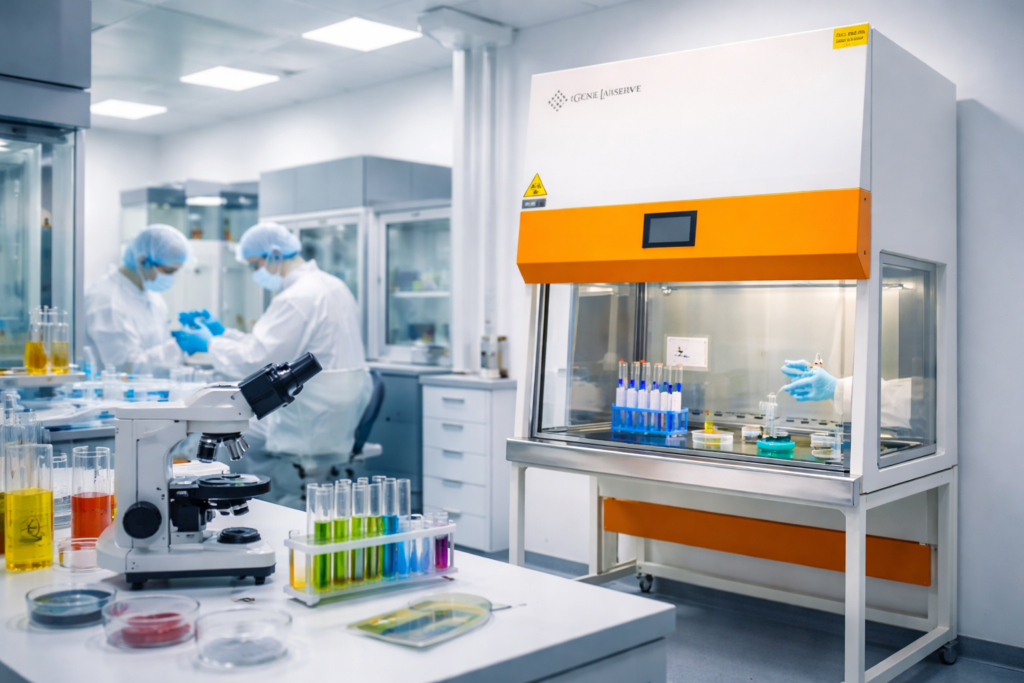
Biosafety Cabinets is the framework of safe laboratory operations wherever cell cultures, infectious agents, or other harmful chemical handling takes place. No wonder microbiology and pharmaceutical research to biotechnology and clinical diagnostics rely on these devices to protect the three most crucial elements – the product, the user, and the environment. However, simply owning a …

What Makes a Biosafety Cabinet Safe? Non-Negotiable Factors for Maximum Lab Safety Read More »

laboratory-equipment-of-2026

Top Must-Have Essential Laboratory Equipment for 2026

Are you setting up a new lab or restructuring the existing one with necessary equipment and supplies? A modern laboratory is only as efficient, accurate, and safe as the equipment it houses. As scientific research evolves rapidly, 2026 will expectedly demand tools that offer precision, automation, and reliability across various disciplines. Whether you run a …

Top Must-Have Essential Laboratory Equipment for 2026 Read More »

bacteriological-incubator

What Temperature Should a Bacteriological Incubator Maintain for Diagnostic Labs?

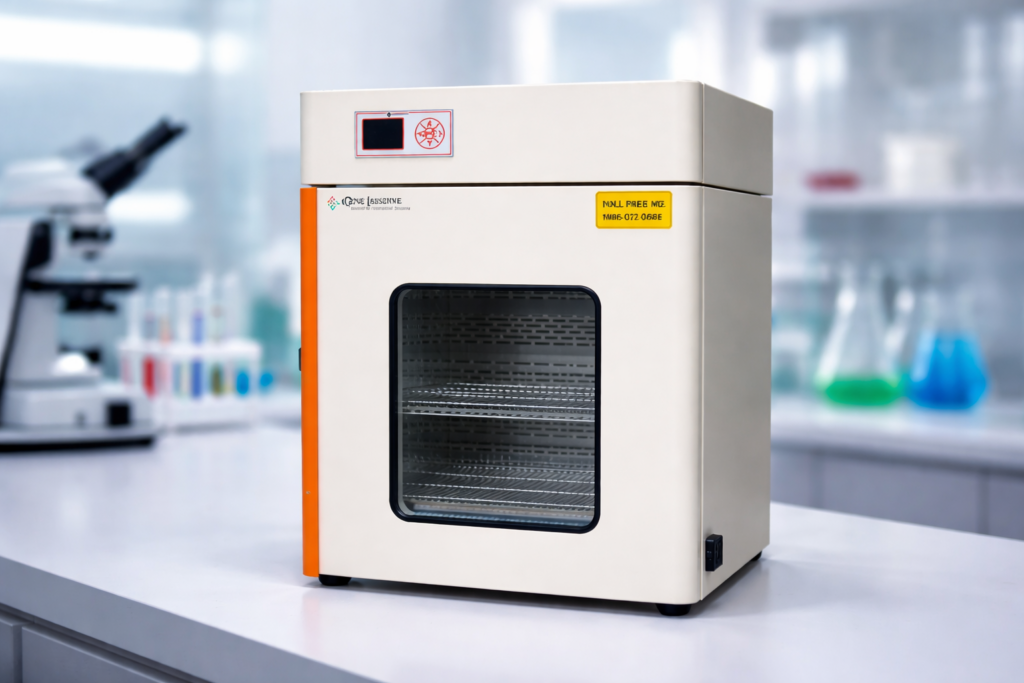
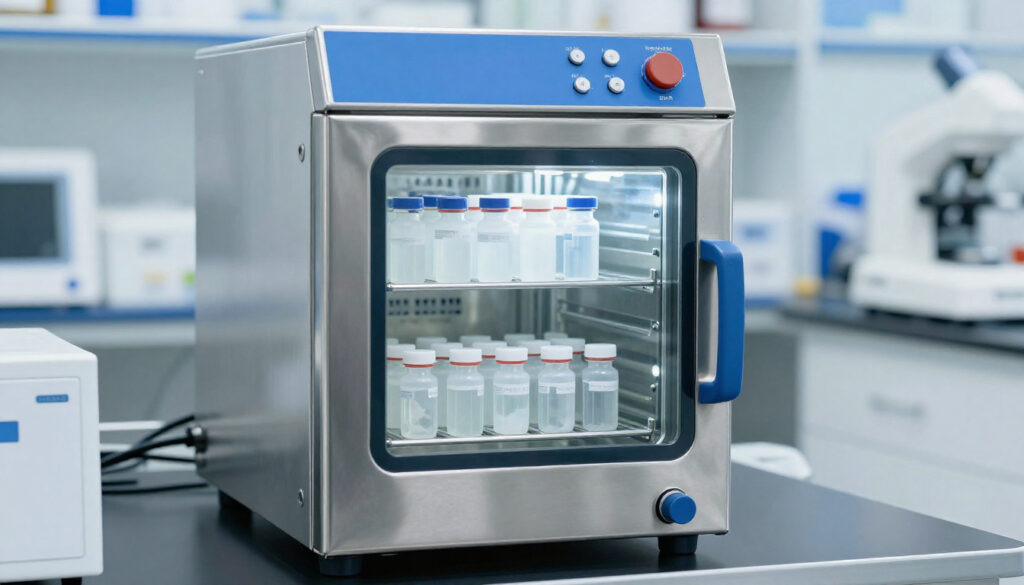
A bacteriological incubator used in laboratories need to maintain temperatures between 35 Degrees Celsius and 37 Degrees Celsius being the global standard for human pathogenic bacteria culture. Maintaining this temperature ensures reliable microbial growth, accurate diagnostic results, and consistent laboratory performance. Bacteriological incubators are indispensable for diagnostic laboratories and play a crucial role in culturing …

What Temperature Should a Bacteriological Incubator Maintain for Diagnostic Labs? Read More »

home-freeze-dryer

Can Home Freeze Dryers Be Used for Pharma and Supplements?

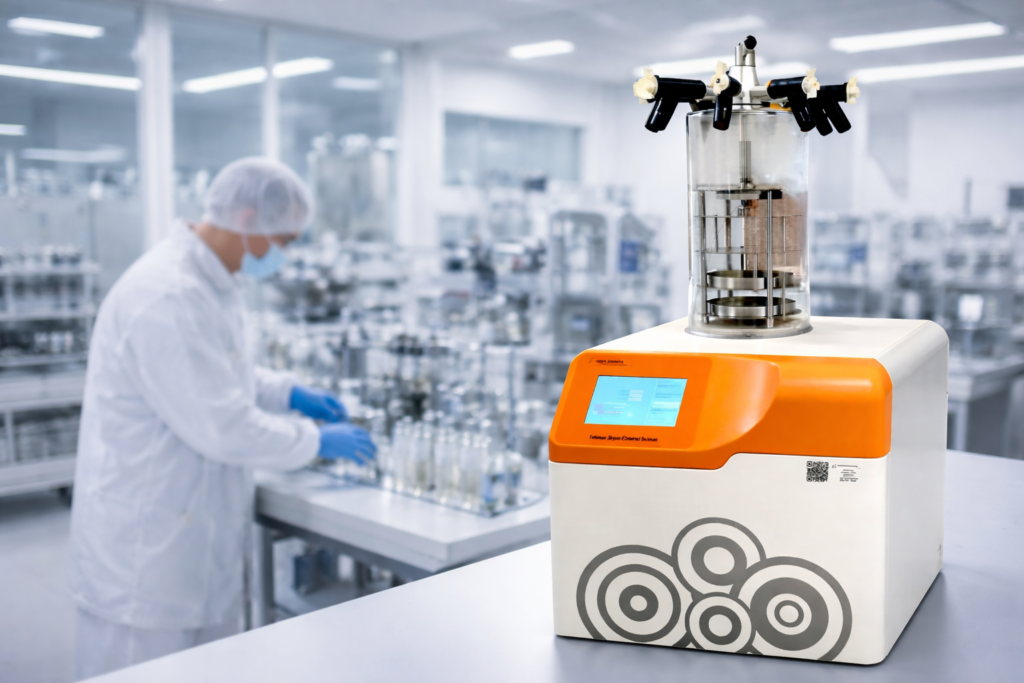
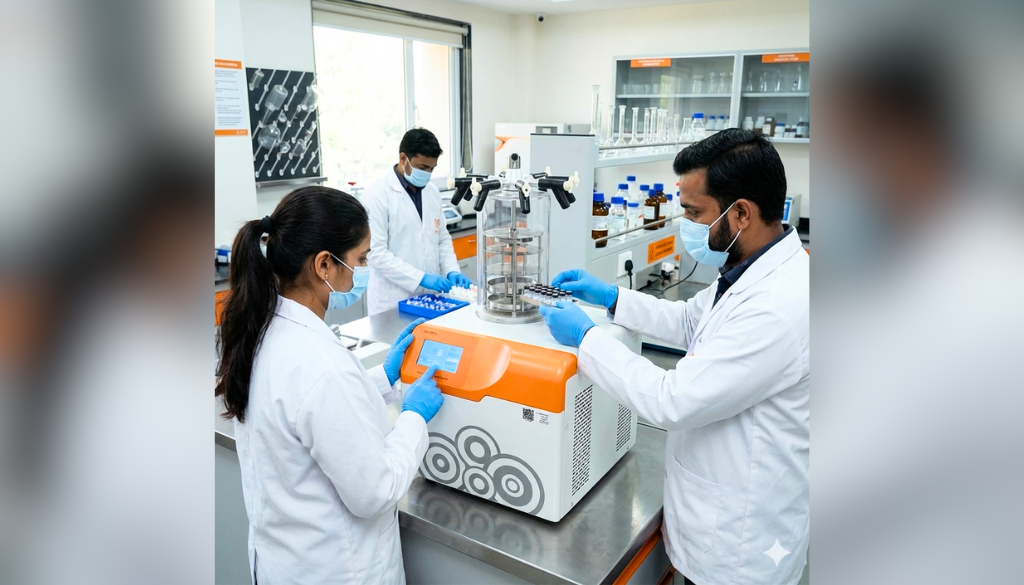
A home freeze dryer is not suitable for pharmaceuticals and supplements and have limited usage for non-commercial supplements. Even though it can remove moisture from organic materials, it lacks the precision controls, sterility, validation, and regulatory compliance required for pharmaceutical and supplement production. What is Freeze Drying? Freeze-drying or lyophilization is a critical process in …

Can Home Freeze Dryers Be Used for Pharma and Supplements? Read More »

probe-sonicator

How to Choose the Right Probe Sonicator for Genomics and Proteomics Labs?

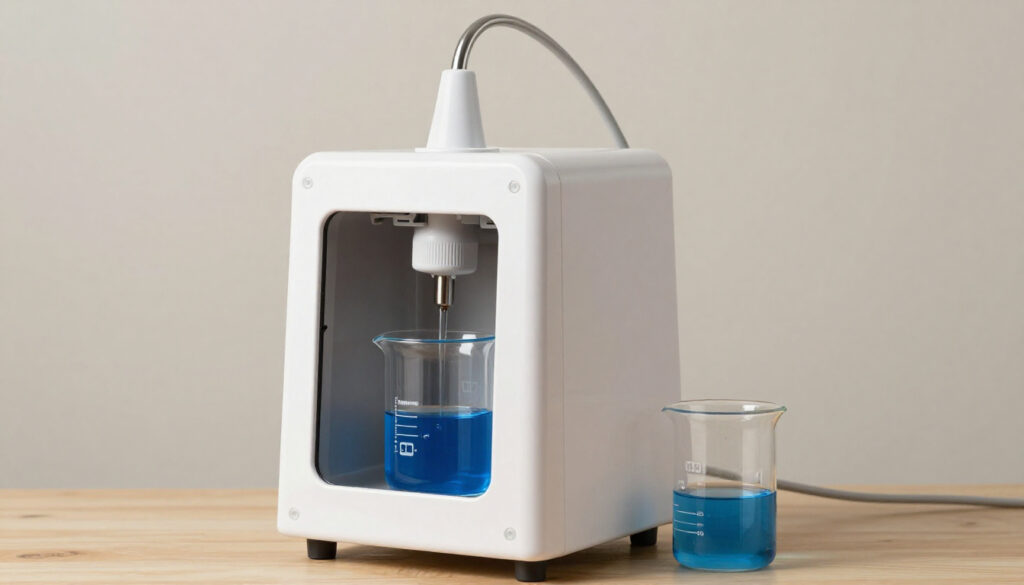
For researchers trying to extract high-quality nucleic acids and proteins, the one tool that they need is the probe sonicator. It is widely used for fragmentation of DNA for sequencing, shearing chromatin for ChIP assays, and extracting proteins for mass spectrometry. However, choosing the right equipment can put any buyer in a dilemma when it …

How to Choose the Right Probe Sonicator for Genomics and Proteomics Labs? Read More »

Lyophilization

A Comprehensive Guide to Lyophilization in Pharmaceutical and Biological Applications

Lyophilization or freeze drying is one of the most crucial techniques of preservation used in biotechnology, pharmaceutical, and bio research industries. With increasing demand for long-lasting and stable therapeutics, lyophilization is an important step in the preservation of biological materials. This guide explores the science behind this technique, its benefits, stages, and applications as well …

A Comprehensive Guide to Lyophilization in Pharmaceutical and Biological Applications Read More »

Freeze Dryer

Freeze Dryer Vs Vacuum Dryer: Which Is Right for Your Lab?

Choosing the right freeze drying technology is essential in modern laboratory environments where moisture removal, sample preservation, and product stability is crucial. wo of the most widely used techniques are freeze drying (lyophilization) and vacuum drying. Although both remove moisture under reduced pressure, they operate differently and are suited for different types of samples. Understanding …

Freeze Dryer Vs Vacuum Dryer: Which Is Right for Your Lab? Read More »

Vertical Autoclave

Vertical Autoclave: Identifying Common Issues and Correcting the Flaws

Whether in laboratories, clinics, hospitals, or research facilities where sterilization is non-negotiable, a vertical autoclave is must-have equipment. It is known for its efficiency, compact footprint, and reliability. No wonder, it is widely used to sterilize instruments, culture media, glassware, and biomedical waste. However, like any mechanical system, it can also develop operational issues and …

Vertical Autoclave: Identifying Common Issues and Correcting the Flaws Read More »

Biosafety Cabinet Class II A2

A2 Vs B2 Biosafety Cabinets: How to Choose One for Optimal Lab Safety?

Choosing an appropriate Class II biosafety cabinet or BSC is not just pinning on any model.  It is also about matching the ventilation of the facility, the airflow design, and the hazards you handle. The commonest sub types of BSCs are Class II, Types A2 and Class II Types B2. Here is a practical guide …

A2 Vs B2 Biosafety Cabinets: How to Choose One for Optimal Lab Safety? Read More »