
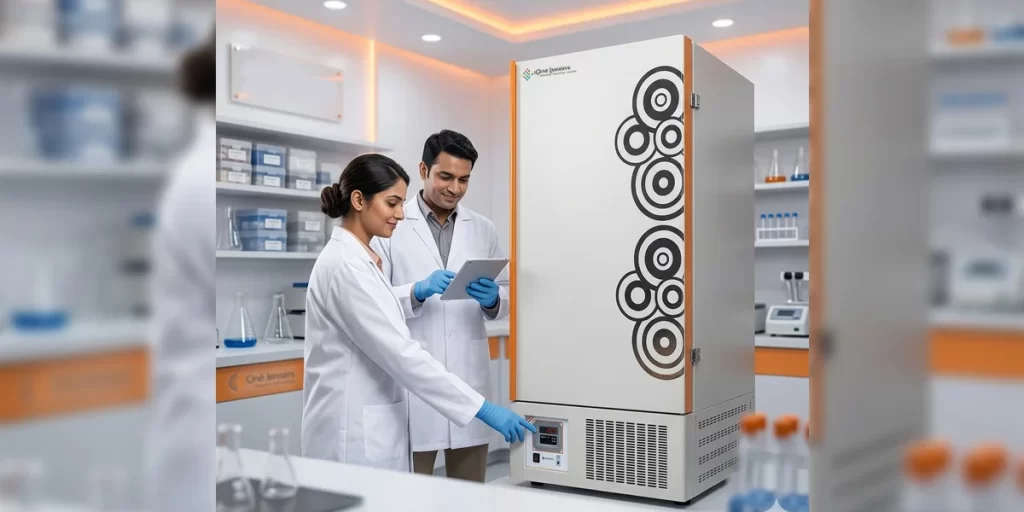
Ultra-low temperature freezers are used to store vaccines, biological samples, laboratory reagents, plasma, tissues, DNA, RNA, enzymes, and pharmaceutical products safely at temperatures as low as -86 degrees Celsius. You will find this equipment in hospitals, research laboratories, biotechnology and pharmaceutical facilities, and diagnostic centers.
An ultra low temperature freezer plays a crucial role in healthcare, biotechnology, pharmaceuticals, research laboratories, and vaccine storage facilities. From preserving vaccines ad blood samples to offering protection to research specimens and temperature-sensitive chemicals, ULT freezers help maintain the integrity of samples, prevent degradation, and ensure long-term storage safety.
Table of Contents
What is an Ultra-low Temperature Freezer?
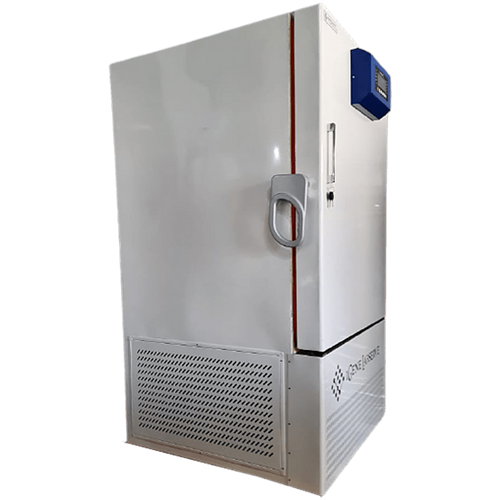
The ultra low temperature freezer also called the ULT freezer is a high-performance refrigeration unit needed for scientific and medical storage applications. Unlike standard freezers used in commercial settings, ULT freezers maintain stable temperatures and protect delicate samples from contamination, degradation, and temperature fluctuations. These freezers feature:
- Advanced insulation systems
- Precision temperature controls
- Rapid cooling mechanisms
- Alarm and monitoring systems
- Secure storage compartments
ULT freezers are the ideal choice for facilities that require reliable cold storage for critical research and healthcare operations.
Common Uses of Ultra-Low Temperature Freezers
ULT freezers support multiple industries and scientific applications. Here are the most common uses:
1. Storing Vaccines
Are you searching for a vaccine storage freezer? One of the most important applications of ULT is preservation of vaccines. Several vaccines require extremely low temperatures to remain stable and effective whether during transportation or storage. ULT freezers maintain the potency and safety of vaccines.
Healthcare facilities and pharmaceutical companies use ULT freezers for:
- Long-term vaccine storage
- Clinical trial materials
- Temperature-sensitive immunizations
- Pandemic preparedness programs
Reliable temperature control is especially important for mRNA-based vaccines and biological products.
2. Biological Sample Preservation
Research laboratories and medical facilities store biological specimens in ULT freezers to prevent sample deterioration.
These samples may include:
- Blood plasma
- Tissue samples
- Stem cells
- DNA and RNA samples
- Cell cultures
- Serum samples
When it comes to DNA and RNA sample storage, ultra-low temperatures slow biological activity and help maintain sample stability for future analysis and research.
3. Pharmaceutical and Biotechnology Research
Pharmaceutical cold storage protects temperature-sensitive compounds and experimental materials.
Applications include:
- Drug development research
- Clinical trial storage
- Enzyme preservation
- Protein analysis
- Biological reagent storage
Biotechnology laboratories also use ULT freezers to preserve genetically engineered materials and maintain research consistency.
4. Hospital and Diagnostic Laboratory Storage
Hospitals and diagnostic centers require medical laboratory freezer for patient care and laboratory testing.
ULT freezers are commonly used to store:
- Diagnostic samples
- Infectious disease specimens
- Laboratory reagents
- Pathology materials
- Blood components
Stable storage temperatures help improve testing accuracy and reduce the risk of sample contamination.
5. Academic and Scientific Research
- Microbial cultures
- Environmental samples
- Research chemicals
- Genetic materials
- Experimental compounds
Why are Ultra Low Temperature Freezers Important?
ULT freezers are critical because many biological and pharmaceutical materials become unstable when exposed to improper temperatures.
Without controlled cold storage:
- Vaccines may lose effectiveness
- Biological samples may degrade
- Research data may become unreliable
- Medical testing accuracy may decline
- Pharmaceutical products may become unusable
Proper temperature management helps laboratories and healthcare facilities maintain compliance, improve operational reliability, and reduce costly sample loss.
How to Choose a Suitable Ultra-Low Temperature Freezer?
Selecting the right ultra laboratory freezer depends on operational requirements and storage needs.
- Storage Capacity
Choose a freezer size based on sample volume and future expansion requirements.
- Temperature Range
Ensure the system can maintain the required storage temperature consistently.
- Energy Efficiency
Energy-efficient models help reduce long-term operational costs.
- Backup and Alarm Systems
Reliable alarms and monitoring features improve sample security.
- Space and Installation
Consider laboratory layout, ventilation requirements, and accessibility.
- Compliance Standards
Medical and pharmaceutical facilities should select systems that meet industry standards and storage regulations.
Conclusion
As the demand for reliable cold storage solutions continues to grow, investing in high-quality ULT freezer technology is vital for organizations focused on healthcare innovation, scientific advancement, and secure sample management. iGene Labserve offers advanced ultra-low temperature freezer solutions designed for laboratories, hospitals, research centers, pharmaceutical facilities, and biotechnology applications. Visit https://www.igenels.com/ to find the laboratory freezer solution for your storage and research requirements.
FAQs
An ultra-low temperature freezer is used to preserve biological samples, vaccines, laboratory reagents, tissues, DNA, RNA, and pharmaceutical products at extremely low temperatures.
Most ULT freezers operate between -40°C and -86°C, with -80°C being the most common storage temperature.
ULT freezers help maintain sample integrity, prevent degradation, and ensure reliable long-term storage for scientific and medical materials.
Healthcare, biotechnology, pharmaceuticals, research laboratories, hospitals, universities, and diagnostic centers commonly use ULT freezers.
Yes, ULT freezers are widely used for storing vaccines and temperature-sensitive pharmaceutical products.

Pingback: Top five benefits of ultra-low temperature freezers – iGene Labserve