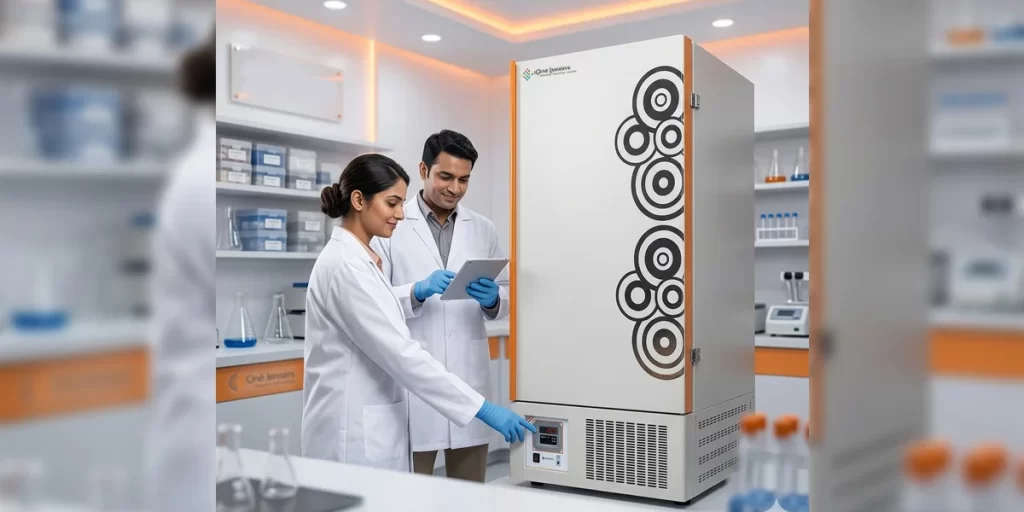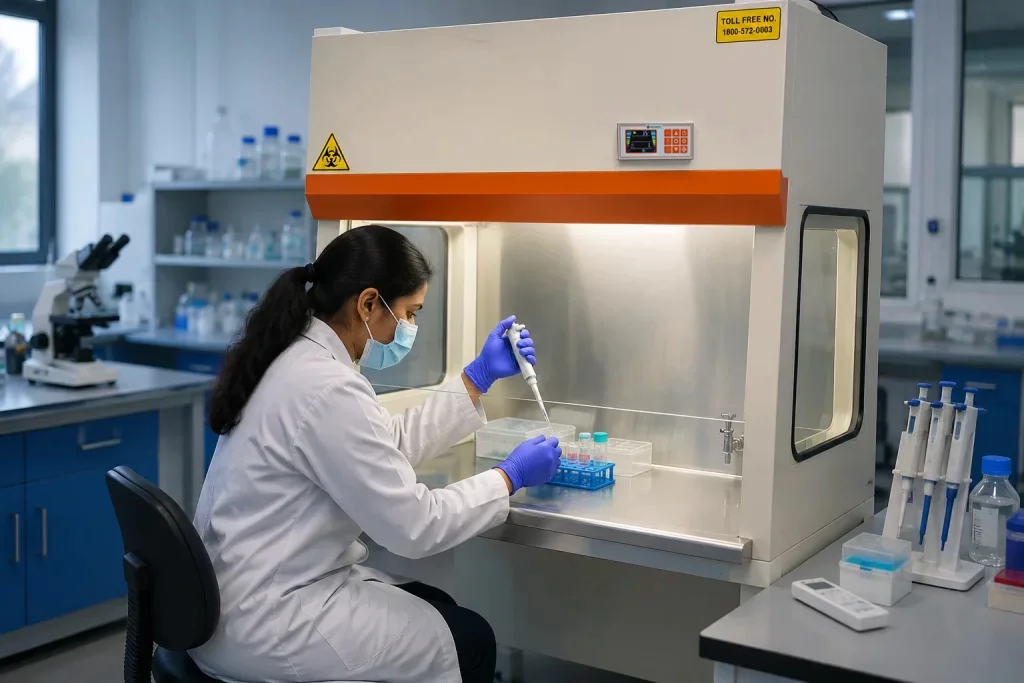
Laminar air flow systems typically use HEPA filters with an efficiency of 99.97% at 0.3 microns. This implies that the filter can remove about 99.97% of airborne particles that are 0.3 micrometers, which is considered the most penetrating particle size.
Laminar air flow systems are an integral part of laboratories, manufacturing units of pharmaceutical companies, hospitals, and research facilities where a sterile environment needs to prevail. These systems ensure that air moves in a unidirectional manner during the removal of airborne contaminants. One of the most crucial components to consider for this cleanliness is the HEPA filter. Understanding the level of HEPA filter efficiency that is to be used in laminar air flow systems allow laboratories maintain safety, compliance, as well as the integrity of products.
Table of Contents
Understanding the role of HEPA filter
A High Efficiency Particulate Air Filter or HEPA filter is designed to trap very small airborne particles such as microbes, dust, spores, and other contaminants. They are widely used in biosafety cabinets, clean rooms, and laminar air flow units to maintain sterile working conditions. They are highly efficient for capturing both larger and smaller particles.
A laminar air flow bench uses HEPA filtration to provide a steady stream of purified air across the workspace. The air flows in a parallel path and is devoid of turbulence, allowing the contamination of sensitive materials. Here is the function of HEPA filter in these systems:
- Removes microorganisms and airborne particles
- Maintains a sterile environment in the workspace
- Ensures consistent airflow and filtration
- Protects, cultures, samples, and various pharmaceutical products
This is what makes laminar air flow systems just right for microbiology laboratories, tissue culture work, and for the preparation of sterile drugs.
Efficiency of HEPA Filters
Most laminar air flow systems follow internationally accepted cleanroom filtration standards. The commonly used efficiency levels include:
1. Standard HEPA Filters
- Efficiency: 99.97% at 0.3 microns
- Widely used in laboratory laminar airflow systems
2. High-Performance HEPA Filters
- Efficiency: 99.97% at 0.3 microns
- Used in pharmaceutical manufacturing and sensitive research
3. ULPA Filters
- Efficiency: 99.99% at 0.12 microns
- Used in extremely critical environments such as semiconductor manufacturing
Most laboratories rely on standard HEPA filters because they provide an ideal balance between high filtration efficiency and airflow performance.
Significance of 0.3 Microns Particle Size
The particle size of 0.3 microns is considered the Most Penetrating Particle Size (MPPS). So, when a filter is able to capture particles of this size with high efficiency, it will perform even better with both larger and smaller particles due to filtration mechanisms like interception, diffusion, and impaction. This standard ensures reliable contamination control in controlled environments.
Conclusion
Laminar air flow systems rely on HEPA filters with 99.97% efficiency at 0.3 microns to maintain sterile environments in laboratories and pharmaceutical facilities. Selecting the right HEPA filter efficiency and maintaining it properly is essential for achieving optimal cleanroom performance. For laminar air flow systems with the highest level of efficiency of HEPA filter, IGene Labserve is the most trustworthy laboratory solution provider.
Visit http://igenels.com/ to get the right solutions that meet your laboratory’s needs.
FAQs
1. What is the efficiency of HEPA filters used in laminar air flow systems?
Most laminar air flow systems use HEPA Filter with 99.97% efficiency at 0.3 microns, ensuring effective removal of airborne contaminants.
2. Why are HEPA filters used in laminar air flow systems?
HEPA filters remove dust, microbes, and other particles to maintain a sterile environment inside a Laminar Air Flow Cabinet.
3. What particle size can HEPA filters capture?
HEPA filters are tested at 0.3 microns, the most penetrating particle size, and can capture 99.97% or more of particles at this level.
4. How often should HEPA filters in laminar air flow systems be replaced?
HEPA filters are typically replaced every 3–5 years or when airflow tests indicate reduced filtration performance.