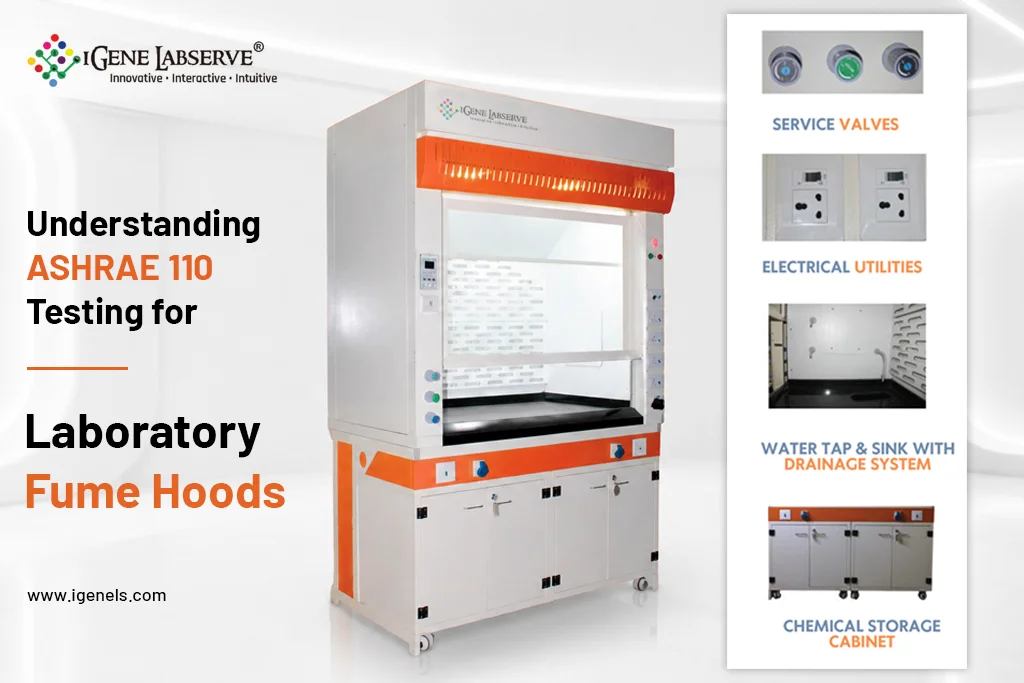
When it comes to laboratory safety, it goes beyond the installation of laboratory fume hoods. Even the best equipment needs to undergo regular testing to ensure that it continues to protect researchers, technicians, and laboratory staff from hazardous chemical exposure. That is when ASHRAE 110 testing comes into play.
This testing protocol is recognized worldwide as the benchmark for evaluating the performance of laboratory fume hoods. It verifies whether the fume hood contains toxic fumes under real operating conditions. Laboratories need to follow this testing method to create a safer working environment.
What is ASHRAE 110 Testing?
ASHRAE 110 Testing is the industry-standard method that evaluates the containment performance of fume hoods. It measures factors such as face velocity, tracer gas testing, and laboratory airflow to determine whether the laboratory fume hood can safely contain hazardous materials.
Unlike basic installation inspection, laboratory fume hood testing evaluates actual containment performance under realistic laboratory conditions. It considers airflow patterns, operator interaction, and the efficiency of containment, making it a preferred testing method for laboratories worldwide.
Why is ASHRAE 110 Testing Significant?
Laboratory environments often involve volatile chemicals, toxic vapors, and hazardous substances. If the fume hood fails to perform as intended, these contaminants may escape into the workspace. Regular testing helps laboratories:
- Protect laboratory personnel from chemical exposure
- Verify containment performance
- Support laboratory safety compliance
- Improve confidence during inspections and audits
- Identify performance issues before they become safety risks
Routine testing also helps ensure that laboratory fume hoods continue to operate efficiently throughout their service life.
What Does ASHRAE 110 Testing Measure?
What does ASHRAE 110 Testing evaluate? Here is what you need to know:
1. Face Velocity Testing
Face velocity is the speed at which air enters the front of a fume hood. Consistent airflow is essential for containing toxic particles effectively. During testing, airflow measurements are taken at multiple points to confirm that the hood operates within the recommended range.
2. Tracer Gas Testing
Tracer gas testing is considered the most reliable method for evaluating containment performance. Usually, a harmless tracer gas is released inside the hood while the instruments measure whether any gas escaping into the breathing zone of the operator. That way, it provides a realistic assessment of containment efficiency.
3. Smoke Visualization Test
With smoke testing, technicians can easily observe airflow patterns. It is also used for identifying turbulence, reverse airflow, and areas where contaminants could potentially escape. This visual assessment complements airflow measurements and helps diagnose operational issues.
4. Checking the Sash Movement
The movement and position of the sash also affects containment performance. During testing, technicians evaluate how opening and closing the sash influences airflow and whether the hood maintains safe operating conditions during normal use.
When to Test Laboratory Fume Hoods?
What are the scenarios when you should go for laboratory fume hood testing with Ashrae 110? Let us explore below:
| Testing Scenario | Why Testing is Needed |
| New installation | Verify safe operation before use |
| Annual inspection | Maintain laboratory safety compliance |
| After relocation | Confirm airflow performance |
| After repairs | Validate proper containment |
| HVAC modification | Ensure stable airflow in the laboratory |
| Regulatory audits | Demonstrate documented compliance |
Regular testing supports laboratory safety compliance, enhances user protection, and helps maintain reliable fume hood certification.
Common Issues Identified during Ashrae 110 Testing
Routine Ashrae 110 testing uncovers issues that may compromise safety:
- Low or inconsistent face velocity
- Airflow turbulence caused by nearby equipment
- Incorrect sash height during operation
- HVAC system imbalance
- Cross drafts from doors or ventilation systems
- Overcrowded workspaces inside the hood
- Poor operator practices
- Exhaust system performance issues
Addressing these problems promptly helps restore safe and reliable operation.
Benefits of Regular Ashrae 110 Testing
Here is a quick glance at the benefits of Ashrae 110 Testing for laboratory fume hoods:
- Verified containment efficiency
- Improved user safety
- Easier regulatory compliance
- Early problem detection
- Consistent laboratory performance
These benefits contribute significantly to ongoing laboratory safety compliance.
Conclusion
ASHRAE 110 testing is more than a regulatory requirement. It is an essential step in verifying that every laboratory fume hood performs safely under real operating conditions. Are you searching for reliable Laboratory Fume Hoods that support safe and efficient laboratory operations? iGene Labserve supplies high-quality fume hoods designed to meet the demands of modern laboratories. Visit https://www.igenels.com/ to explore our range of laboratory safety solutions and find the right equipment for your facility.
Frequently Asked Questions
Most laboratories conduct testing annually or whenever a fume hood is installed, relocated, repaired, or affected by HVAC changes.
While face velocity is important, it does not fully measure containment. Tracer gas testing provides a more comprehensive evaluation of real-world performance.
It determines whether hazardous contaminants remain safely contained within the fume hood by measuring gas leakage into the operator’s breathing zone.
Many laboratories use ASHRAE 110 testing as the accepted benchmark for verifying containment performance and demonstrating laboratory safety compliance during inspections.
Testing should be carried out by trained professionals using calibrated instruments and standardized procedures to ensure accurate and reliable results.