Table of Contents
A lyophilizer requires regular cleaning of the chamber and condenser, routine inspection of the vacuum system and seals, periodic calibration of temperature sensors, defrosting of the condenser, and scheduled servicing of the vacuum pump and refrigeration system. Proper maintenance ensures reliable freeze drying, consistent product quality, and long equipment life.
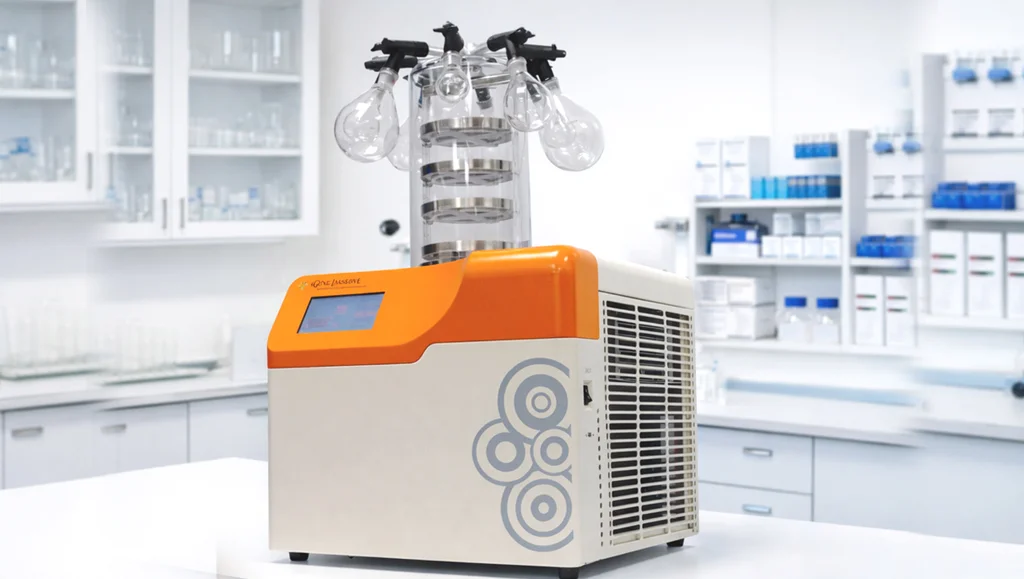
Also known as freeze dryer, the device plays a crucial role in pharmaceutical, biotech, food, and research laboratories. However, without proper lyophilizer maintenance, even the most advanced devices may have inefficiencies, contamination risks, and lead to costly downtime.
Research Applications of lyophilizers
Reliable lyophilization depends not only on proper maintenance but also on the performance of the freeze-drying equipment used in laboratory research. iGene Labserve’s Vacuum Freeze Dryer has been used in published scientific research for the lyophilization of plant-based samples. A 2023 study published in Frontiers in Plant Science used a vacuum freeze dryer from iGene Labserve Pvt. Ltd., New Delhi, India, during the freeze-drying process.
Research Reference:
Elucidation of flavanones, phenols and antioxidant capacity influenced by drying methods from physiologically dropped underutilized Citrus grandis fruits — Frontiers in Plant Science, 2023. Read the Research Article
Significance of Lyophilizer Maintenance
Regular maintenance of laboratory freeze dryer ensures consistent drying performance, protects sensitive samples, and extends equipment lifespan. Poorly maintained systems can lead to vacuum leaks, ice buildup, uneven drying, or complete process failure. In regulated industries such as pharmaceuticals and biopharma, improper maintenance can also result in GMP non-compliance and batch rejection.
Lyophilizer – Routine, Preventive and Annual Maintenance Tasks
Here are the routine maintenance tasks of lyophilizers:
1. Chamber Cleaning and Sanitization
After each cycle, the drying chamber should be cleaned to remove residual products, ice, and contaminants. However, you must use follow equipment cleaning procedures and the manufacturer-recommended instructions to avoid corrosion or seal degradation. In pharmaceutical applications, documented cleaning procedures are essential for regulatory audits.
2. Vacuum System Inspection
The vacuum system is the heart of a lyophilizer. Therefore, you need to regularly inspect vacuum pumps, seals, and valves for leaks or wear. Oil-based pumps require oil level checks and periodic replacement to maintain optimal vacuum performance.
3. Condenser Defrosting and Cleaning
Ice accumulation in the condenser reduces moisture capture efficiency. You must defrost the condenser according to the recommended schedule and ensure drain lines are clear to prevent water buildup and microbial growth.
Check the preventive maintenance tasks here:
1. Shelf and Temperature Sensor Calibration
Accurate temperature control is critical for successful freeze drying. Periodic calibration of shelf temperature sensors and product probes ensure uniform heat transfer and prevents product collapse or incomplete drying.
2. Gasket, Seal, and Valve Checks
Door gaskets, shelf seals, and isolation valves must be inspected regularly for cracks, hardening, or compression damage. Worn seals can cause vacuum loss, increased cycle times, and inconsistent results.
3. Refrigeration System Monitoring
Check refrigerant pressures, compressors, and cooling coils for abnormal noise or temperature fluctuations. Efficient refrigeration ensures rapid freezing and effective sublimation during primary drying.
Here are the annual maintenance tasks:
1. Vacuum Pump Servicing
Annual or semi-annual servicing of the vacuum pump includes oil replacement, filter cleaning, and performance testing. Neglecting pump maintenance is one of the most common causes of lyophilizer failure.
2. Control System and Software Verification
Modern lyophilizers rely on PLCs and control software. Verify alarm functionality, update firmware when recommended, and back up process data to maintain system reliability and data integrity.
3. Performance Qualification (PQ)
In regulated environments, periodic performance qualification ensures that the lyophilizer operates within validated parameters. PQ testing confirms vacuum levels, shelf temperature accuracy, and drying efficiency.

Best Practices for Effective Lyophilizer Maintenance
Check the best practices for lyophilizer maintenance:
- Follow manufacturer-recommended maintenance schedules
- Maintain detailed maintenance and calibration logs
- Train operators on routine inspections and cleaning
- Use genuine spare parts to ensure system compatibility
- Schedule professional servicing for complex repairs
Adopting a preventive maintenance approach not only improves reliability but also supports regulatory compliance and audit readiness.
Conclusion
Lyophilizer maintenance is essential for reliable freeze drying, product quality, and equipment longevity. From routine cleaning and vacuum inspections to calibration and annual servicing, each maintenance activity contributes to consistent performance and reduced operational risk. iGene Labserve helps laboratories achieve reliable, compliant, and efficient lyophilization. Partner with us to minimize downtime, maximize performance, and protect your critical processes. Visit https://www.igenels.com/ to explore our products.
Frequently Asked Questions
Routine lyophilizer maintenance includes cleaning the chamber after each cycle, defrosting the condenser, checking vacuum pump oil levels, inspecting door gaskets, and ensuring sensors are functioning properly.
A lyophilizer should undergo basic inspections weekly, preventive maintenance quarterly, and professional servicing annually. Vacuum pumps and refrigeration systems may require more frequent servicing depending on usage.
Lack of maintenance can lead to uneven drying, contamination risks, higher energy consumption, equipment breakdown, and non-compliance with regulatory standards in pharma and biotech labs.
Yes, preventive maintenance significantly extends equipment lifespan, reduces downtime, and lowers long-term operating costs.