Laboratory work in molecular biology demands efficiency, precision, and reproducibility. Nowadays, labs need to deliver results even faster than the previous times without compromising the highest standards of accuracy. However, it won’t ever happen without resorting to the right kind of tools in the laboratory. When it comes to protein analysis and separation, an essential and indispensable tool that sticks out is the vertical gel electrophoresis system. So, whether it is for studying protein expression or verifying the presence of certain biomolecules, this system is the go-to solution for researchers.
Gel electrophoresis system: get started with the basics
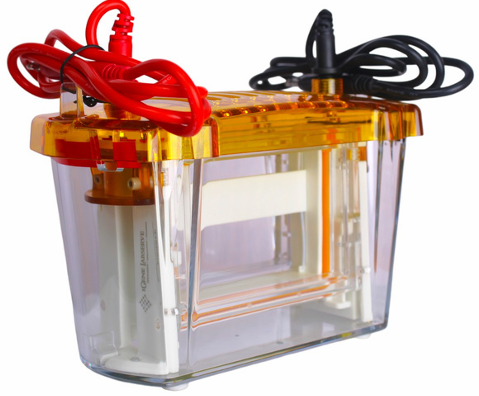
Vertical gel electrophoresis takes place when researchers need to separate proteins using polyacrylamide gels also called SDS-PAGE. The separation here is finer and used in protein profiling, Western blotting, and assessment of purity. Typically, the gels are pushed through vertically between two glass plates and the placed in a tank.
Thereafter, electric current is applied to make the protein samples move through the gel matrix. As proteins are smaller in size and are diverse in terms of the charge as well as structure compared to nucleic acids, this tool is needed to make the separation more precise.
Why is the vertical gel electrophoresis system a must-have in modern labs?
Here are the reasons why the vertical gel electrophoresis system has emerged as one of the lab equipment essentials for researchers:
Protein separation with high resolution
Vertical electrophoresis systems are specially designed for high-resolution protein separation. The vertical shape reduces band distortion and smiling, resulting in the creation of sharper bands and consistent data. For quantitative experiments or when proteins must be distinguished more clearly, choosing this equipment is the best decision.
Compatibility with Western Blotting
Western blotting is among the most powerful techniques needed for the identification and quantification of proteins. Now, vertical gel systems are an integral part of this workflow. After the completion of electrophoresis, proteins can be transferred from the gel on to the membrane for immune detection. A majority of commercially available vertical systems are exclusively designed to integrate with blotting modules, helping in streamlining the transition between blotting and electrophoresis.
Revs up reproducibility and consistency
When you assess the reasons for electrophoresis machine importance, it’s hard to overlook how the vertical gel system ensures uniform polymerization through consistent voltage application, leading to reliable results across various experiments. What’s more important is that the modern systems come with pre-cast gel compatibility thereby eliminating the errors related to manual gel casting.
Cost-effectiveness in the long run
Even though laboratory owners may find the initial investment in the vertical gel electrophoresis system a bit steep, the long-term benefits outweigh the cost. These systems are ideal for working through repeated uses while still string on durability and minimizes the need for frequent replacements. Besides, the precision and reliability helps reduce sample wastage and minimized the need for repeat experiments.
Space usage
Modern labs often have space constraints and placing any equipment would be a crucial factor. The vertical gel electrophoresis systems are compact and hence require least bench space compared to other setups.
Applications of the vertical gel system in modern laboratories
Here are the applications of the vertical gel system in modern labs:
Academic research
In the laboratories of teaching institutions, vertical systems can be used to demonstrate protein purification, separation, and various analysis techniques due to its clear banding patterns and ease of use.
Biotech and pharmaceutical industries
From drug development to quality control, pharmaceutical labs use vertical electrophoresis technique to ensure the stability and purity of therapeutic proteins.
Clinical and diagnostic labs
Clinical labs rely on protein separation for diagnosing diseases; the clear visualization of biomarkers is essential for critical diagnosis.
For any lab dealing with protein analysis, a vertical gel electrophoresis system is not just a helpful tool—it’s an essential one. Its precision, versatility, and adaptability make it a key player in both routine procedures and advanced research applications. Whether you’re running routine diagnostics, exploring new frontiers in proteomics, or teaching the next generation of scientists, a vertical gel system ensures your lab stays efficient, reliable, and ahead of the curve.
If you want to power your protein research and analysis, choose an advanced vertical gel electrophoresis system from IGene Labserve, the leading supplier of lab equipment in India for accurate, efficient, and reliable protein separation and ideal for academic, clinical, and biotech labs. Visit https://www.igenels.com/ to connect with us today and rev up the competence of your lab to the next level.