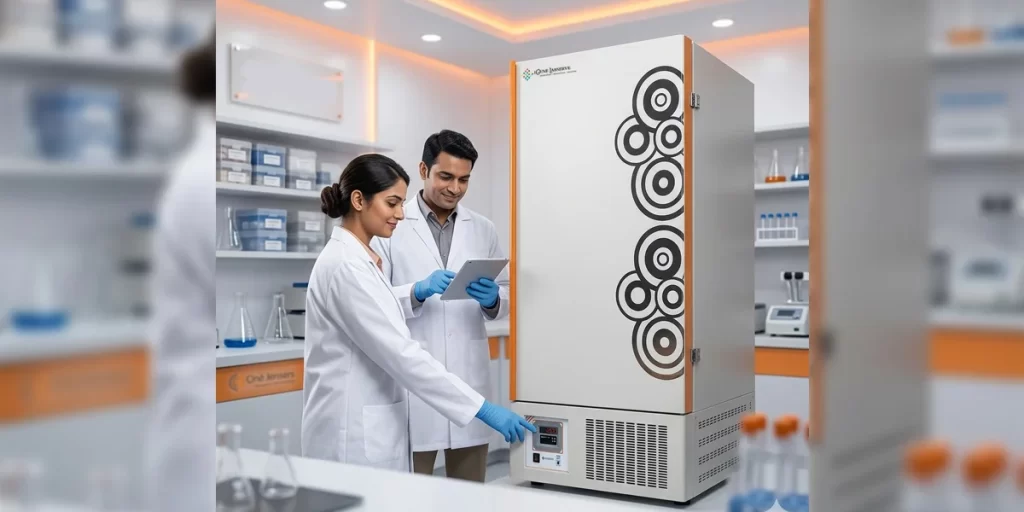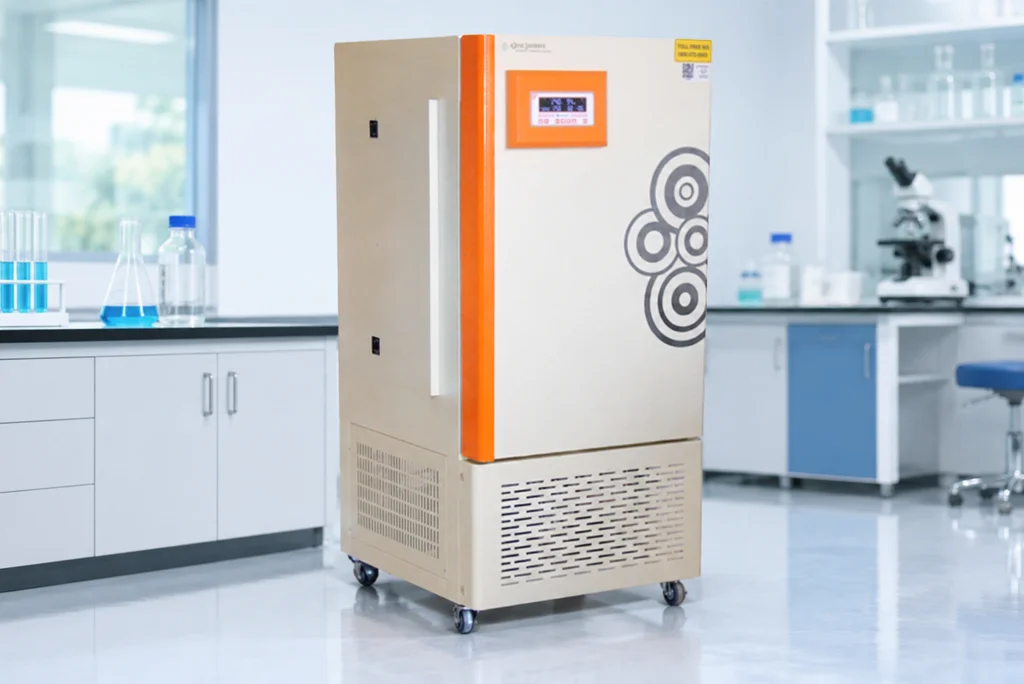
Water droplets forming on the walls, ceiling or shelves of a stability chamber can be a cause for concern in pharmaceutical laboratories and research facilities. Often referred to as ‘rain’ inside the chamber, this phenomenon indicates an imbalance in temperature, humidity or airflow.
Stability chamber condensation occurs when moisture in the air comes into contact with a surface below its dew point, causing water vapor to turn into liquid droplets. When left unaddressed, excessive moisture can affect sample packaging, testing conditions and laboratory operations. Understanding why condensation occurs and how to prevent it is essential for maintaining consistent environmental conditions and reliable stability studies.
What Is Condensation in a Stability Chamber?
Condensation in stability chamber generally happens when the surface temperature falls below the dew point of the surrounding air. The resulting stability chamber water droplets may appear on internal walls, ceilings, shelves or sample containers.
When droplets accumulate and fall from overhead surfaces, the phenomenon is commonly described as ‘rain’. Although stability chamber humidity is necessary for certain studies, uncontrolled moisture formation is undesirable and needs investigation.
Why Does Condensation Occur in A Stability Chamber?
Several factors contribute to condensation in the stability chamber:
1. Excessively High Humidity
Higher moisture content increases the likelihood of condensation on cooler surfaces.
2. Temperature Fluctuations
Sudden temperature changes often bring internal surfaces below the dew point.
3. Poor Air Circulation
Uneven airflow creates localized temperature and humidity differences.
4. Frequent Door Openings
External air entering the chamber can introduce moisture and disturb controlled conditions.
5. Damaged Door Seals or Insulation
Gaps allow humid ambient air to enter the chamber.
6. Blocked Drainage
Inefficient condensate removal can cause water to accumulate inside the equipment.
Understanding these causes helps laboratory professionals identify the source instead of simply removing visible droplets.
How Can Condensation Affect Stability and Environmental Testing?
Unwanted moisture can create challenges for laboratory operations. Water droplets may affect sample containers and packaging, potentially exposing sensitive materials to undesirable moisture conditions.
Persistent condensation can also indicate stability chamber temperature and humidity deviations that require investigation. This may lead to additional documentation, testing and quality-control procedures.
For pharmaceutical stability studies, maintaining the specified environmental conditions is essential. Therefore, any suspected condensation-related deviation should be assessed according to the laboratory’s established quality procedures.
How to Prevent Condensation in Stability and Environmental Chambers: 7 Practical Measures
Preventing environmental chamber condensation requires consistent monitoring, appropriate operating practices and timely equipment maintenance.
Maintain Appropriate Temperature and Humidity Levels
You need to monitor stability chamber temperature and humidity to ensure they remain within the specified testing range. Apart from this, avoid unnecessary fluctuations and do not change validated settings to eliminate environmental chamber condensation.
Monitor Dew Point Conditions
Check the relationship between chamber surface temperatures and the dew point. If a surface falls below the dew point, moisture can form. With suitable temperature and humidity monitoring instruments can help identify potential condensation risks.
Ensure Proper Air Circulation
Maintain adequate spacing between samples and avoid overcrowding the chamber. Keep air vents unobstructed and follow the manufacturer’s recommended loading arrangement. Uniform airflow helps minimize localized temperature and humidity variations.
Minimize Frequent Door Openings
Repeatedly opening the chamber door allows external air to enter and disturb internal conditions. Organize samples before opening the door, minimize access during testing and ensure the door closes properly after every use.
Inspect Door Seals and Insulation
Examine door gaskets and insulation periodically for cracks, gaps or deterioration. Damaged seals can allow humid external air to enter, increasing the likelihood of condensation. The same moisture ingress problem shows up in ultra-low temperature freezers, where worn gaskets lead to frost buildup. Replace worn components according to manufacturer recommendations.
Keep Drainage Systems Functional
Inspect condensate collection trays, drainage outlets and associated components for blockages or accumulated water. Clean the drainage system according to the manufacturer’s instructions to ensure that collected moisture can be removed effectively.
Schedule Regular Calibration and Preventive Maintenance
Temperature and humidity sensors may experience measurement drift over time. Regular inspections help identify potential problems before they affect testing operations.
What to Do When You Notice Water Droplets Inside a Stability Chamber
If you notice water droplets inside your chamber, follow a systematic troubleshooting approach:
Identify the Location
Check whether droplets are forming on the ceiling, walls, shelves or sample containers.
Review Monitoring Record
Look for unusual temperature and humidity fluctuations.
Inspect chamber components
Examine door seals, insulation and drainage outlets.
Check sample placement
Look for overcrowding or obstructed airflow.
Consult the manufacturer
Arrange a technical inspection if condensation continues.
If the occurrence affects testing conditions, you need to document and investigate it according to your laboratory’s deviation management procedures. Avoid changing validated settings without appropriate authorization.
Conclusion
Preventing stability chamber condensation requires a combination of appropriate temperature and humidity control, dew point monitoring, proper airflow and preventive maintenance. Looking for reliable laboratory equipment to maintain controlled testing environments? Partner with iGene Labserve, your trusted lab equipment supplier. Visit iGene Labserve to support your research.
Frequently Asked Questions
It occurs when moist air encounters a surface below its dew point, causing water vapor to form liquid droplets.
Water may result from condensation, moisture entering through damaged seals, sample-related evaporation or inefficient drainage.
Maintain prescribed temperature and humidity levels, monitor dew point conditions, ensure proper airflow and inspect seals and drainage systems.
‘Rain’ occurs when moisture condenses on cooler internal surfaces, forming droplets that accumulate and eventually drip.
Yes. Excessive moisture may affect sample packaging and testing conditions, requiring investigation to determine whether sample integrity or study reliability has been compromised.