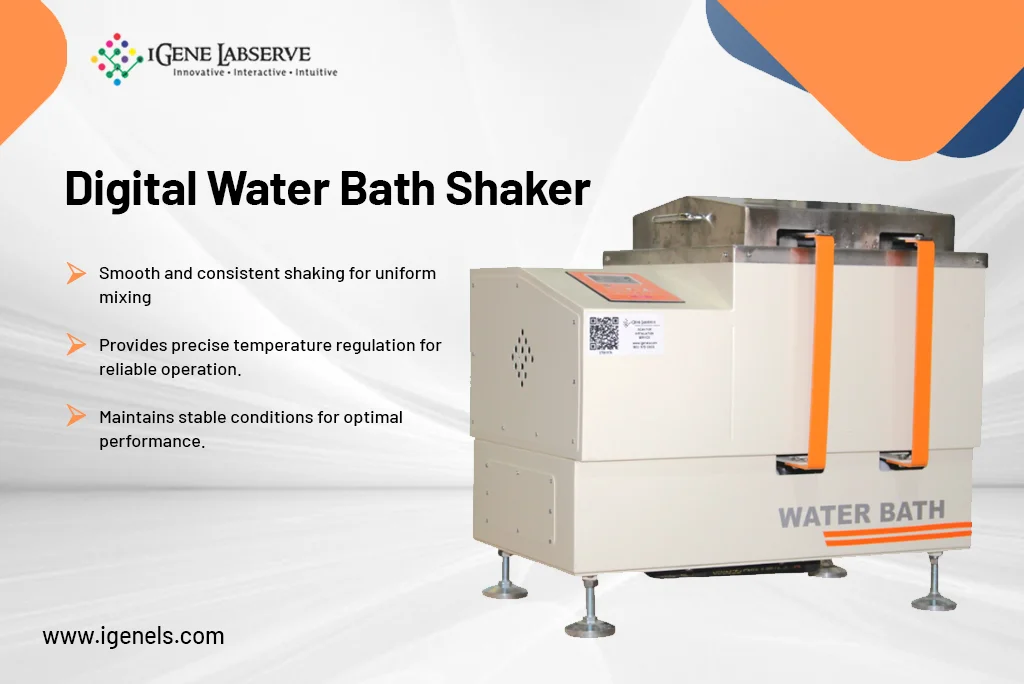
A water bath shaker is a vital device that is widely used across the field of microbiology, biotechnology, pharmaceutical research, and clinical laboratories. By combining controlled heating with continuous shaking, it creates the right conditions for sample incubation, cell culture growth, enzyme reactions, and various research applications.
Unfortunately, the water bath shaker heating problem may disrupt workflows, delay experiments, and compromise the accuracy of results. Usually, such problems occur when the equipment fails to heat properly. Understanding the possible causes and knowing how to troubleshoot the issue can help laboratories restore performance quickly and avoid costly downtime.
Why is Your Water Bath Shaker Not Heating?
A water bath shaker depends on various components that function together. These components include the heating element, temperature sensor, controller, and power supply. When any of these components fail to function properly, the unit may not reach the desired temperature.
Take a look below to spot the most common reasons why the water bath shaker is not working due to uneven heat distribution along with the symptoms and solutions:
1. Fault in the Heating Element
The heating element warms the temperature of the water inside the bath. However, due to uninterrupted operation, buildup of minerals, and normal wear, the heating element continues to deteriorate and a time may come when it fails to perform at all. Here are the red flags to watch for:
- Unchanged temperature of water
- Heating takes infinite time and takes much longer than usual
- The unit powers on but there is no heat generation
Solution:
You need to inspect the heating element for signs of corrosion, scaling or any other physical damage. If the element is defective, it will no longer work and need to be replaced. With regular maintenance and cleaning, you can extend the lifespan of the heating system.
2. Flaws in Temperature Settings
One of the most commonly overlooked causes for the water bath not heating properly is incorrect temperature settings. Here are the causes:
- The set temperature is lower than expected
- Accidental change of settings
- Alteration of calibration values during servicing
Solution:
You must verify the temperature settings on the control panel and compare them with the required operating temperature. Furthermore, you can also use an external calibrated thermometer to confirm the actual temperature of water. Reset the settings when necessary and ensure that the controller is functioning properly.
3. Malfunction in Temperature Sensor
Modern water bath shakers include temperature sensors to monitor and regulate heat. Now, when the sensor becomes damaged, dirty, or is improperly calibrated, the readings may become inaccurate. Here are the signs of failure in the sensor:
- Fluctuations in Temperature
- Temperature displayed is different from actual temperature
- The unit either overheats or fails to reach the correct temperature
Solution:
You have to inspect the sensor for physical damage or contamination. Recalibration helps in resolving minor issues but if the sensor turns faulty, you must replace the equipment. With regular calibration checks, you can prevent temperature inaccuracies.
4. Low Water Level
Maintaining the correct water level is crucial for transfer of heat efficiently and for distributing heat uniformly.
How Low Water Level Affects Heating:
When the water level falls below the recommended level, the heating element may fail to transfer the heat effectively. This may lead to slower heating, uneven temperatures as well as potential damage to internal components.
Solution:
Check the recommended water level of the manufacturer and refill the bath as needed. When the device runs uninterrupted, you need to monitor evaporation levels, and replenish water when necessary.
5. Power Supply Problems
The water bath shaker heating problem may emanate from electrical issues. Typically, it requires a stable electrical supply to operate effectively. Electrical malfunction does not allow the heating system from functioning properly.
Potential Problems:
- Loose power connections
- Damage in power cables
- Blown fuses
- Voltage fluctuations
Solution:
You need to inspect electrical connections and verify that the power outlet is working correctly. For laboratories that are situated in areas with unstable voltage, installing a voltage stabilizer or UPS system must be there to protect sensitive equipment.
6. Mineral Deposits and Scale Buildup
Hard water may leave mineral deposits on heating elements and internal surfaces over time. This buildup acts as an insulating layer and reduces heating efficiency.
Impact of Scaling on the Internal Surface
- Slower temperature rise
- Reduced heat transfer
- Increased energy consumption
- Premature wear and tear of components
Solution
You have to clean the water bath regularly with the help of approved de-scaling agents. Using distilled or de-ionized water instead of tap water can reduce mineral buildup and improve long-term performance.
7. Thermostat Failure
The thermostat and controller regulate temperature as well as heating cycles. When there is a malfunction in each component, inconsistency of heat may occur in water bath shaker and over time, it may stop heating at all.
Red Flags to watch for:
- Temperature adjustment is not possible
- Heating cycles start and stop unexpectedly
- Error messages appear on the display panel
Solution
You must review the equipment manual for diagnostic codes and troubleshooting instructions. Accordingly, if the thermostat fails to function, it may require professional servicing and in severe cases, replacement may be necessary.
Step-by-Step Troubleshooting Guide
When it comes to water bath shaker troubleshooting, here are the steps you need to follow:
- Verify the temperature settings
- Check the water level
- Stability of power supply
- Analyze the displayed temperature with that of a calibrated thermometer
- Inspect the heating element for damage
- Examine the temperature sensor for calibration issues
- Remove mineral deposits and clean the device properly
- Check the device for error messages or warning indicators
- Consult the user manual for troubleshooting that are specific to the manufacturer
- Contact technical support if the issue persists
When you follow a systematic troubleshooting process, it will help you identify the root cause quickly and minimize laboratory downtime.
Preventive Maintenance Tips
Preventive maintenance is the best way to avoid water bath shaker heating problem and ensure reliable operation.
Best Practices
- Clean the water bath regularly
- Use distilled or de-ionized water whenever possible
- Monitor water levels before each use.
- Calibrate temperature sensors periodically.
- Inspect electrical connections and cables.
- Schedule routine servicing according to manufacturer recommendations.
These simple maintenance practices can improve equipment performance, extend service life, and reduce the risk of unexpected failures.
Conclusion
Heating problem in a water bath shaker can affect experimental accuracy, sample integrity, and laboratory productivity. Trust iGene Labserve for reliable laboratory equipment that keep your research running smoothly. Get in touch with us to find the right equipment for your laboratory needs.
Frequently Asked Questions
A water bath shaker may fail to reach the desired temperature due to a faulty heating element, incorrect temperature settings, low water levels, sensor malfunctions, or mineral buildup on internal components
Start by verifying the temperature settings, checking the water level, inspecting the power supply, and comparing the displayed temperature with a calibrated thermometer. If the issue persists, inspect the heating element, temperature sensor, and controller for faults.
Yes, low water levels can reduce heat transfer efficiency and prevent the water bath shaker from maintaining a consistent temperature. Always maintain the water level recommended by the manufacturer.
The cleaning frequency depends on usage, but most laboratories should clean the unit regularly and inspect it for mineral deposits. Using distilled or de-ionized water can help minimize scale buildup and reduce maintenance requirements.
Operating a malfunctioning water bath shaker can affect sample integrity and experimental results. It is recommended to troubleshoot and resolve the issue before continuing laboratory procedures.
Yes, hard water can leave mineral deposits on heating elements and internal surfaces, reducing heating efficiency and increasing energy consumption. Using distilled water and performing regular de-scaling can help prevent these issues.
If basic troubleshooting does not resolve the problem, or if you suspect a faulty heating element, controller, thermostat, or sensor, contact the manufacturer or a qualified service technician for professional assistance.